How Your Circadian Rhythm Affects Your Daily Energy
12 August 2026
Have you ever wondered why you feel supercharged in the morning but sluggish in the afternoon? Or why pulling an all-nighter makes you feel like a zombie the next day? The answer lies in your circadian rhythm—your body's internal clock that dictates your energy levels, sleep cycles, and overall well-being.
If you’re constantly battling fatigue or struggling to wake up in the morning, your circadian rhythm might be out of sync. But don’t worry—I’ve got you covered! Let’s break down how it works and how you can use it to your advantage. 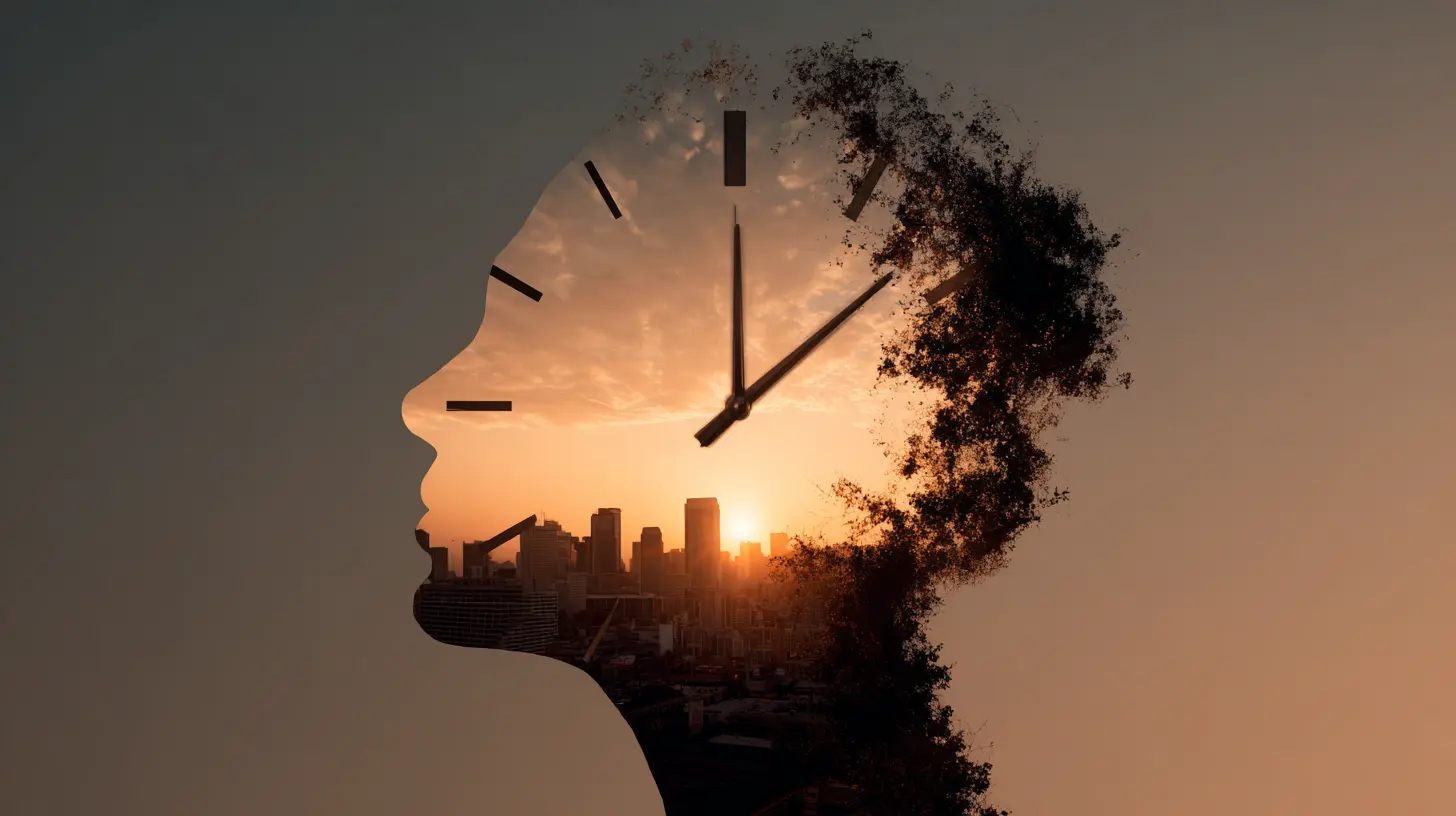
What Is the Circadian Rhythm?
Your circadian rhythm is a 24-hour cycle that regulates essential functions like sleep, metabolism, and hormone production. Think of it as your body's biological clock, keeping everything in sync.It's primarily driven by light exposure—when the sun rises, your body knows it's time to wake up. As it gets dark, your body starts winding down to prepare for sleep. However, modern habits like late-night scrolling and irregular sleep schedules can throw this system off balance, leading to fatigue, brain fog, and even long-term health problems. 
How Your Circadian Rhythm Controls Energy Levels
Your daily energy ebbs and flows in predictable patterns based on your circadian rhythm. Here’s a breakdown of how it affects you throughout the day:Morning: The Energy Surge
As soon as you wake up, your brain releases cortisol, a hormone that kickstarts your metabolism and helps you feel alert. Your body temperature also starts rising, further signaling that it's time to be active.☀️ Best tasks for this time:
- High-focus work
- Exercise
- Problem-solving tasks
Mid-Morning: Peak Alertness
By mid-morning, your energy levels are at their highest. This is the golden window for productivity—your brain is sharp, and your body is ready to take on the day.? Best tasks for this time:
- Complex decision-making
- Creative work
- Studying or learning new information
Afternoon Slump: The Energy Dip
Around 1-3 PM, your energy takes a nosedive. Ever feel like you need a nap after lunch? That’s because your circadian rhythm has a natural energy dip in the early afternoon.? What to do:
- Take a short power nap (20 minutes)
- Go for a walk in natural sunlight
- Avoid heavy carb-loaded meals
Evening: The Recharge Phase
After the slump, energy levels start bouncing back in the early evening. This is a great time for physical activity, socializing, or doing light tasks that don’t require deep focus.? Best tasks for this time:
- Light exercise
- Social interactions
- Household chores
Night: The Wind-Down
As the sun sets, your body starts producing melatonin, the hormone that makes you sleepy. Your body temperature drops, and your brain signals that it’s time to rest. Ignoring this signal—by staring at screens or consuming caffeine—can seriously disrupt your sleep quality.? Best practices for this time:
- Dim the lights
- Avoid screens for at least an hour before bed
- Develop a relaxing bedtime routine 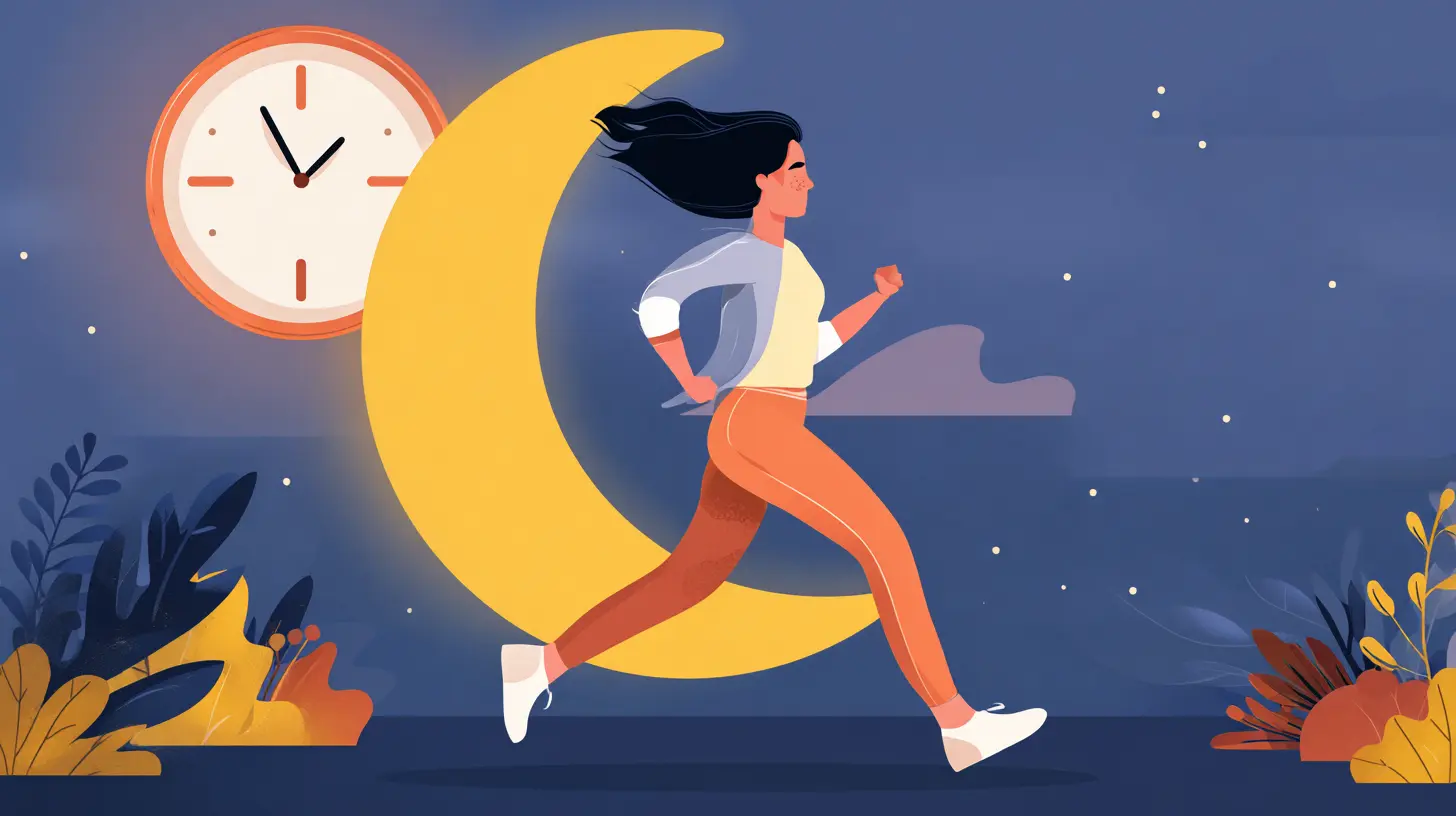
How Modern Life Disrupts Your Circadian Rhythm
Your circadian rhythm thrives on consistency, but modern habits can throw it completely off track. Here’s what messes it up—and how to fix it.1. Artificial Light Exposure
? Problem: Staring at your phone or laptop late at night tricks your brain into thinking it's still daytime, suppressing melatonin production and delaying sleep.✅ Fix: Use blue light filters on your devices and dim your indoor lights two hours before bedtime.
2. Inconsistent Sleep Schedule
? Problem: Sleeping and waking up at different times every day confuses your internal clock, making it harder to feel rested.✅ Fix: Stick to a regular sleep schedule—even on weekends! This helps regulate your circadian rhythm, making it easier to wake up naturally.
3. Skipping Sunlight Exposure
☀️ Problem: Your body relies on natural light cues to regulate energy levels. Spending all day indoors can leave you feeling groggy and sluggish.✅ Fix: Get at least 20-30 minutes of sunlight in the morning to help reset your internal clock.
4. Too Much Caffeine Late in the Day
☕ Problem: Caffeine blocks adenosine, a chemical that makes you sleepy. Drinking coffee in the afternoon can push your bedtime later than it should be.✅ Fix: Cut off caffeine at least 6-8 hours before bed to prevent sleep disruptions. 
How to Optimize Your Circadian Rhythm for Maximum Energy
Want to feel energized every day? Follow these science-backed strategies to keep your circadian rhythm in check:1. Stick to a Consistent Sleep Schedule
Going to bed and waking up at the same time every day—even on weekends—trains your body to expect sleep at the right time.2. Get Morning Sunlight
Exposure to natural light in the morning suppresses melatonin and signals your body to wake up. Open your blinds or take a short walk outside.3. Exercise at the Right Time
Morning or early evening workouts help regulate your circadian rhythm, but avoid intense workouts right before bed—they can be too stimulating.4. Limit Artificial Light at Night
Use dim, warm lighting in the evening, and try blue light-blocking glasses if you must use screens.5. Eat According to Your Clock
Eating at irregular times confuses your metabolism. Try to eat meals at the same time every day and avoid late-night snacking.6. Avoid Stimulants Before Bed
Caffeine, nicotine, and even some medications can delay your ability to fall asleep. Switch to herbal tea or warm milk if you need a nighttime drink.The Bottom Line
Your circadian rhythm is the foundation of your daily energy levels. When it's in sync, you feel alert, focused, and productive. But when it's out of balance, you battle fatigue, brain fog, and disrupted sleep.By making small, intentional adjustments—like getting morning sunlight, maintaining a regular sleep schedule, and cutting down on evening screen time—you can unlock peak energy levels and feel your best every single day.
So, want to feel more energized? Start by listening to your body's internal clock—it knows best!
all images in this post were generated using AI tools
Category:
Energy BoostAuthor:

Arthur McKeever