How Vitamin D Supports Healthy Aging and Longevity
1 May 2026
Aging is inevitable, but how we age? That’s something we can influence. Our lifestyle, diet, physical activity, sleep, and even exposure to sunshine all shape the way our bodies handle the years. And speaking of sunshine, let’s talk about an underrated MVP when it comes to staying youthful and energetic later in life—Vitamin D.
Now, you’ve probably heard it called the “sunshine vitamin,” but did you know that Vitamin D does way more than just boost your mood and help your bones? It actually plays a huge role in how gracefully (and healthily) we age. Yup, from your immune system to your brain, this little nutrient packs a punch.
In this article, we're going to break down how Vitamin D supports healthy aging and longevity, why it matters more as you get older, and how to make sure you're getting enough of it.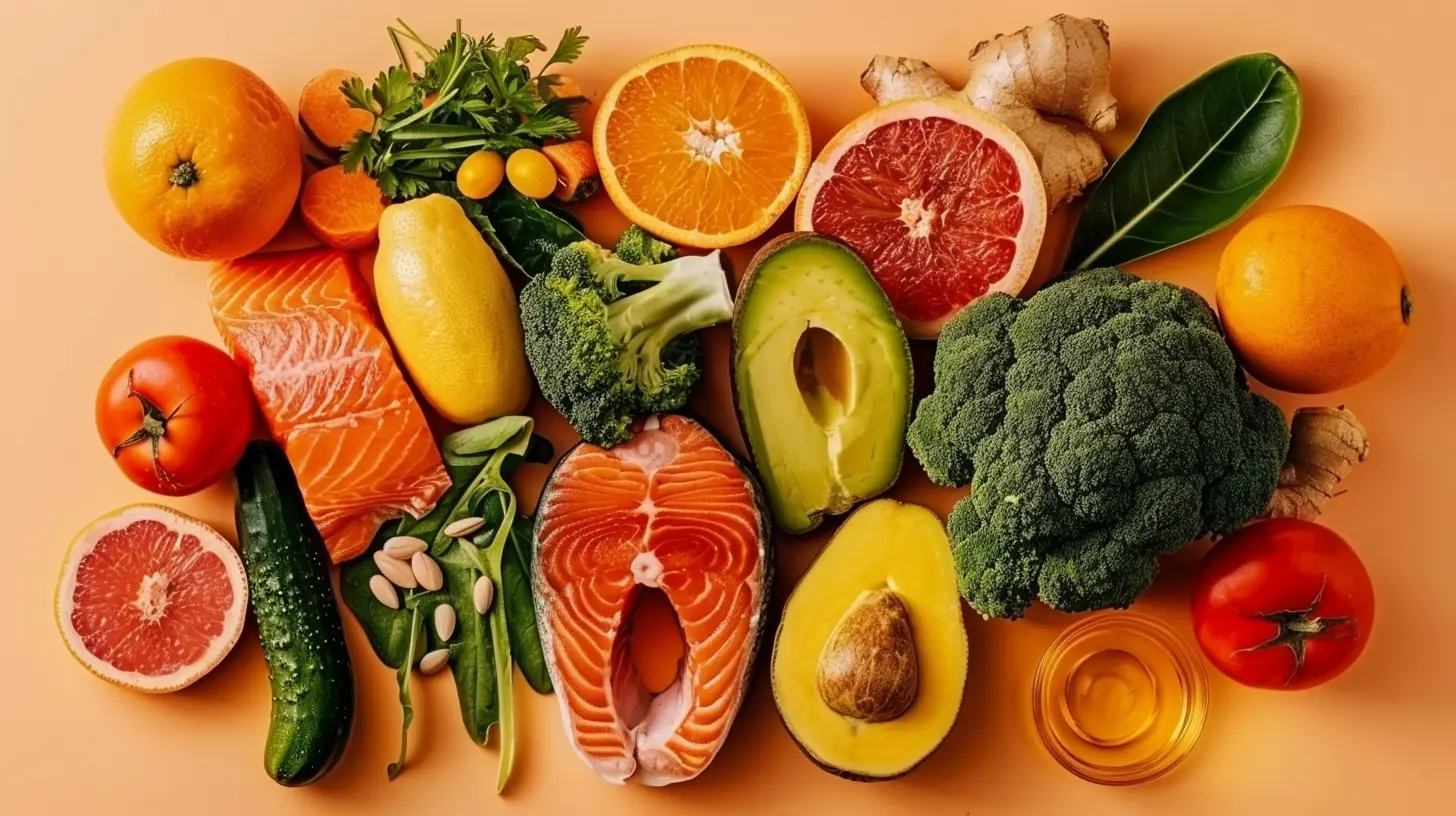
What Is Vitamin D Anyway?
Let’s start with the basics.Vitamin D isn’t technically a “vitamin” in the traditional sense. It acts more like a hormone. Your skin makes it when it's exposed to sunlight, which is pretty cool, right? But you can also get it through certain foods and supplements.
There are two main types of Vitamin D:
- D2 (ergocalciferol) – found in plant sources and fortified foods.
- D3 (cholecalciferol) – found in animal sources and made by your skin under sunlight.
D3 is the one your body likes best. It’s easier to absorb and more effective at raising the levels in your blood.
The Link Between Vitamin D and Aging – It's All Connected
So how does this sunshine vitamin tie into aging? It’s kind of like a behind-the-scenes director, juggling multiple roles that affect everything from your bones to your brain.Here’s a breakdown of how it supports healthy aging:
1. Bone Health and Fall Prevention
We can’t talk about aging without talking about our bones. As we age, especially in our 50s and beyond, bone density starts to decline. And you know what that means—higher risk of fractures and osteoporosis.Vitamin D helps the body absorb calcium, which is crucial for strong bones. Without enough Vitamin D, your body might as well be flushing all that calcium down the drain.
And get this—low Vitamin D levels have been directly linked to increased fall risks in seniors. Why? Because it plays a role in muscle strength and coordination. So keeping your levels up could help you stay steady on your feet and out of the emergency room.
2. Boosting the Immune System
Ever notice how older folks are more vulnerable to infections? That’s because the immune system naturally weakens with age.Vitamin D acts like the immune system’s cheerleader. It supports the function of immune cells like T-cells and macrophages, which help defend the body against pathogens. Some studies even suggest Vitamin D can help reduce the risk of respiratory infections, including the flu and pneumonia – illnesses that can be serious, or even fatal, in older adults.
Especially during flu season or cold months when we spend less time outdoors, it's smart to keep an eye on your Vitamin D status.
3. Protecting Cognitive Function
Now, here’s where things get really interesting. Vitamin D isn’t just good for your body—it’s good for your brain too.There’s growing evidence that Vitamin D can play a role in protecting cognitive health. It may help reduce inflammation and protect neurons in the brain, potentially lowering the risk of age-related cognitive decline, including Alzheimer’s disease and other forms of dementia.
Think of it as brain food—but instead of omega-3s in fish, this one comes from sunlight and supplements.
4. Fighting Chronic Inflammation
Chronic inflammation is like the villain in the story of aging. It’s been linked to pretty much every age-related disease: heart disease, type 2 diabetes, cancer, arthritis—you name it.Vitamin D helps modulate the immune response and can reduce levels of inflammation in the body. That makes it a natural ally in fighting the “inflammaging” process that breaks down tissues and organs over time.
Less inflammation = better longevity.
5. Mood and Mental Well-being
Let’s not forget the emotional side of aging. Depression and mood swings can become more common with age, especially when people live alone or deal with chronic illness.Low levels of Vitamin D have been associated with depression and other mood disorders. While we’re not saying it’s a magic happy pill, it definitely plays a role in serotonin regulation—the feel-good brain chemical.
In other words, upping your Vitamin D might just help lift your spirits too.
Who’s at Risk for Vitamin D Deficiency?
You might be wondering: "Am I getting enough Vitamin D?" Good question!Here are some risk factors for low Vitamin D:
- Living in northern climates or areas with limited sunlight
- Spending most of your time indoors
- Having darker skin (melanin reduces the skin’s ability to make vitamin D)
- Being over 60 (aging skin produces less Vitamin D)
- Obesity or kidney/liver disorders that affect vitamin metabolism
- Avoiding dairy or following a vegan diet
If any of these apply to you, it might be time to check your Vitamin D levels.
How Much Vitamin D Do You Actually Need?
The Recommended Dietary Allowance (RDA) varies slightly by age, but here’s a general guideline:| Age Group | Vitamin D RDA |
|---------------------|----------------|
| 19–70 years | 600 IU/day |
| 70+ years | 800 IU/day |
Some experts argue these numbers are on the low side, especially if you’re not getting daily sun exposure. In some cases, doses of 1000–2000 IU per day are considered safe and effective, but always check with your healthcare provider before making changes.
Best Sources of Vitamin D
Alright, now let’s tackle the big question—how do you actually get enough of this stuff?☀️ Sunlight
This is the most natural and efficient way. Just 10–30 minutes of sun exposure a few times a week could do the trick, depending on your skin tone and location. But don’t overdo it—nobody wants sunburn.? Foods Rich in Vitamin D
There aren’t a ton of natural food sources, but here are a few:- Fatty fish like salmon, mackerel, and sardines
- Egg yolks
- Beef liver
- Cod liver oil
- Fortified foods (milk, orange juice, cereals)
? Supplements
If sunlight and diet aren’t cutting it, supplements are a safe and reliable option. Look for D3 (cholecalciferol), which is better absorbed than D2.Signs You Might Be Low on Vitamin D
Your body has a sneaky way of letting you know it’s not getting enough D. Here are a few red flags:- Fatigue or low energy
- Frequent colds or infections
- Bone or back pain
- Depression or mood changes
- Muscle weakness
- Slow wound healing
If these sound familiar, it might be time for a blood test to check your levels.
Tips for Maintaining Healthy Vitamin D Levels as You Age
Want to keep your Vitamin D game strong as you get older? Here’s a simple checklist:✅ Spend a little time in the sun each day
✅ Add Vitamin D-rich foods to your meals
✅ Consider daily supplements (especially in winter)
✅ Get your blood levels tested annually
✅ Pair Vitamin D with magnesium and Vitamin K2 for better absorption and bone health
It’s like putting together a puzzle—every piece supports the big picture.
The Bottom Line: A Small Nutrient with Big Longevity Benefits
At the end of the day, Vitamin D might be small, but its impact on aging is massive. From your bones to your brain, your immune system to your mood, this nutrient helps keep the engine running smoothly as the miles add up.We can’t stop the clock, but thanks to nutrients like Vitamin D, we can slow it down—and maybe even enjoy the ride a little bit more.
So next time you're soaking in a bit of sun or enjoying a grilled salmon dinner, just remember—you’re doing more than catching rays or eating well. You’re investing in your future self.
Here’s to aging wiser, healthier, and with as much pep in your step as possible.
all images in this post were generated using AI tools
Category:
VitaminsAuthor:

Arthur McKeever
Discussion
rate this article
2 comments
Fern Valentine
Vitamin D is crucial for maintaining health and vitality as we age. Don't overlook it!
May 21, 2026 at 4:47 AM
Arthur McKeever
Absolutely! Vitamin D plays a vital role in our overall well-being, especially as we get older. It's key to staying healthy and active.
Liora McLaurin
While the article highlights the benefits of Vitamin D for aging, it overlooks the importance of a balanced diet and lifestyle. A holistic approach is essential for truly enhancing longevity and overall well-being.
May 6, 2026 at 4:26 AM
Arthur McKeever
You're right. A balanced diet and lifestyle are crucial for overall health, and Vitamin D is just one piece of the puzzle. Thanks for the insight!