How to Track Your Cycling Progress and Set New Goals
11 July 2026
Whether you’re a cycling newbie spinning your first few miles or a seasoned road warrior chasing personal bests, tracking your progress is the secret sauce to becoming a better rider. But let’s face it, there's so much tech out there and so many metrics that it can feel like you're drowning in data. Don't stress. We're about to unpack everything in simple, no-nonsense terms.
Let’s dive into the good stuff — how to track your cycling progress and set new goals that actually keep you motivated.
Why Tracking Matters
Before we get into the how-tos, let’s kick things off with the why.Think of tracking like a fitness diary. You're creating a roadmap of where you’ve been and where you're headed. That’s powerful. It helps you stay accountable, spot patterns, identify weaknesses, and, most importantly, celebrate your wins. It’s not just about speed or distance — it’s about becoming more consistent, overcoming plateaus, and getting more joy out of every ride.
Start Simple: What You Should Be Tracking
You don’t need a high-end cycling computer to start. A smartphone and a free app can do wonders. Here are the basics to get you rolling:1. Distance
This one’s obvious, right? How far you ride matters. It gives you a tangible idea of endurance growth. If you ride 5 miles today and 15 next month? That’s progress.2. Time
Tracking the time spent riding helps you build stamina. You may not increase speed right away, but if you’re riding longer without fatigue, you’re on the right track.3. Speed
Keep tabs on your average and maximum speed. Speed tells you about your intensity and how you're improving over time — especially on similar routes.4. Elevation
Climbing hills? Track those gains! Elevation changes help build strength and show how hard you’re pushing.5. Heart Rate
If you have a heart rate monitor, use it. This metric tells you how your body is responding to workouts and if you're staying in the right zones for fat burn, endurance, or performance.6. Cadence
Measured in revolutions per minute (RPM), cadence shows how fast you're turning the pedals. Optimal cadence improves efficiency and reduces fatigue.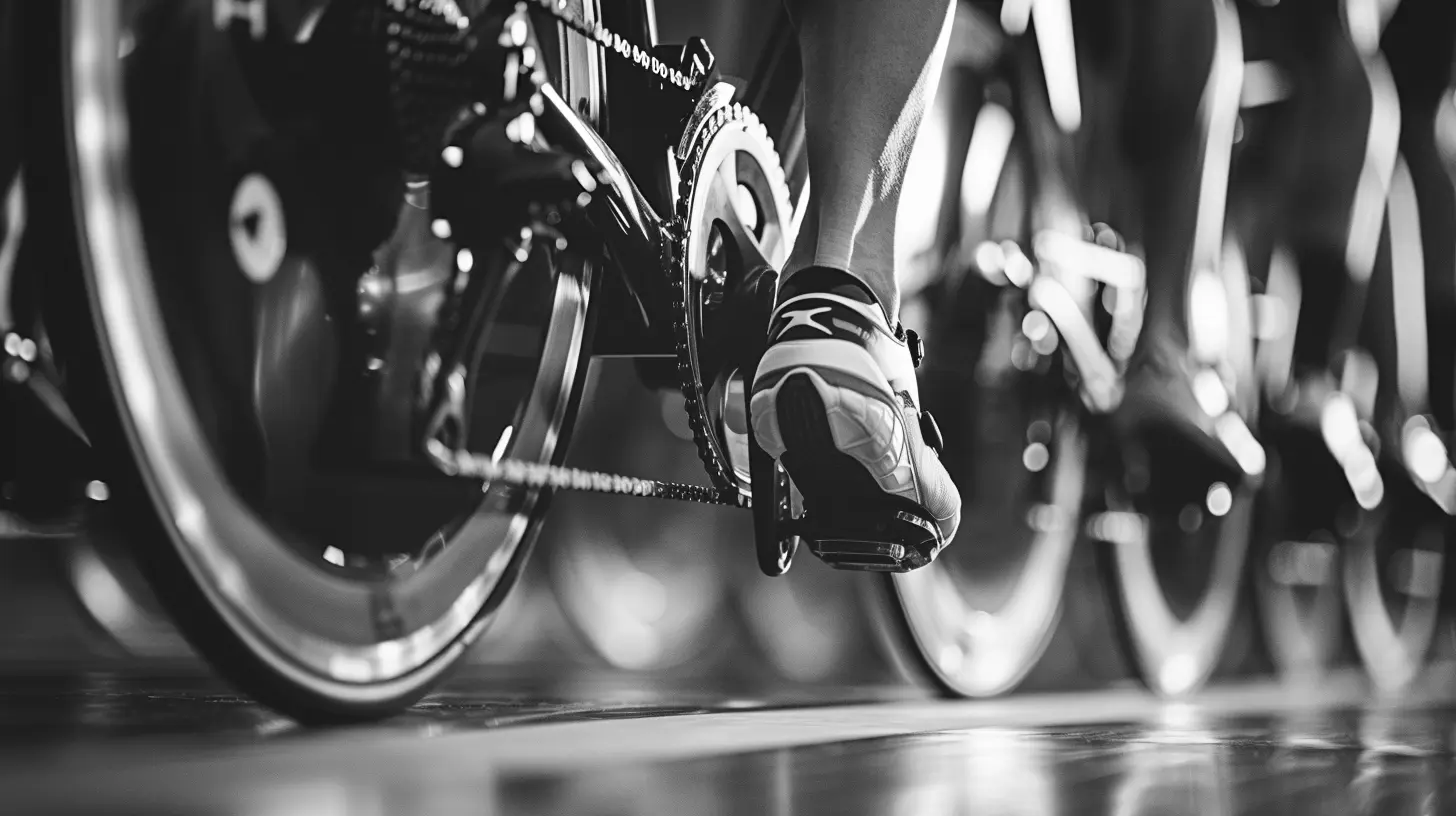
Best Tools to Track Your Bike Rides
Now that you know what to track, let’s talk about how to track it. Here are some tools (both techy and simple) to help you stay on course.1. Smartphone Apps
Apps turn your phone into a cycling computer. Some top picks include:- Strava – The king of social cycling. Tracks rides, shows detailed stats, and lets you compete with others.
- Komoot – Ideal for planning and tracking longer or scenic routes.
- Ride with GPS – Great for navigation and deep post-ride analytics.
- MapMyRide – Easy to use and great for keeping a training log.
2. Bike Computers
If you’re ready to upgrade, bike computers offer real-time tracking without draining your phone battery.- Garmin Edge series – High-tech, accurate, and packed with features.
- Wahoo ELEMNT Bolt – Simple UI and integrates easily with apps.
These devices are perfect for serious riders who want data at a glance.
3. Wearable Tech
Smartwatches and fitness trackers like Apple Watch, Garmin, or Fitbit monitor your ride and sync your stats to apps automatically. Bonus: they also track your daily fitness, so you’re not just logging miles but monitoring your overall health.4. Good Ol’ Notebook
Not a tech fan? No shame in going old-school. Jot down your daily metrics in a cycling journal. It keeps things personal and helps you reflect.
Understanding Your Data Without Going Crazy
One trap many cyclists fall into is getting hung up on numbers. You don’t need to analyze every graph or compare every ride. Instead, look for trends.Ask yourself:
- Am I riding more frequently?
- Am I going further or faster than I was last month?
- Am I recovering faster after hard rides?
These simple cues can tell you a lot more than obsessing over a 0.3 mph difference in average speed.
Setting SMART Cycling Goals
So, how do you turn all this data into epic improvement? You set goals. But not vague ones like “ride more.” We’re talking SMART goals — Specific, Measurable, Achievable, Relevant, and Time-bound.Let’s break that down:
Specific
Don’t say “I want to get better.” Say “I want to complete a 50-mile ride without stopping.”Measurable
Use numbers. That means tracking distance, speed, or even days ridden per week.Achievable
Be real with yourself. If you're riding 10 miles now, don't aim for 100 next week.Relevant
Make sure your goal aligns with what matters to YOU. Want better cardio? Focus on endurance rides. Want strength? Work on climbing.Time-bound
Set a deadline. Goals with a timeline keep you motivated. "I’ll ride 150 miles this month" is way better than a never-ending goal.Sample Goals for All Riders
Need some ideas? Let’s break it down for each level.Beginner Goals
- Ride 3 days a week for a month- Complete a 10-mile ride without stopping
- Learn basic bike maintenance
Intermediate Goals
- Increase weekly mileage by 10%- Beat your personal best on your favorite route
- Ride 500 miles in a season
Advanced Goals
- Improve average speed by 2 mph over 8 weeks- Tackle a century ride (100 miles)
- Enter a local race or charity ride
How to Stay Motivated and Crush Your Goals
Let’s be honest — the novelty wears off sometimes. But don’t let your wheels stop spinning!1. Mix Up the Routes
Riding the same trails can get dull real fast. Switch it up! Explore new terrain. Try gravel one week, city streets the next, or join a group ride.2. Reward Yourself
Hit a goal? Treat yourself. Maybe a new jersey, gear upgrade, or just a giant smoothie. Celebrate victories, however small.3. Ride with Others
Nothing keeps you accountable like knowing someone’s waiting at the trailhead. Group rides push you harder and make things fun.4. Keep a Visual Tracker
Stick a calendar on your wall and mark off every ride. Or use sticker charts. Yes, like you're in third grade. It’s strangely satisfying.5. Reflect Often
Every week, look back at your rides. What felt good? What didn’t? What can you improve? Reflection keeps you focused and intentional.Handle Setbacks Like a Pro
There will be bad days. Rain, flat tires, injuries, life events — they happen. The key is not to let those derail you.If you need to pause, do it. But always plan your comeback ride. Progress is like a winding trail — not a straight road.
Safety First, Always
Tracking is awesome. Chasing PBs is thrilling. But don’t forget safety.- Always wear a helmet.
- Let someone know your route.
- Carry ID, cash, and repair essentials.
- Make sure your bike is road-ready.
- If riding at night, lights and reflectors are non-negotiable.
The Takeaway: Ride Smarter, Get Stronger
Tracking your cycling progress doesn’t have to be complicated or time-consuming. Start with the basics, choose tools that fit your style, and set goals that excite you. Whether you’re gunning for that century ride or just want to keep up with your friends, it’s all about consistency, reflection, and a little grit.So, clip in, hit the road, and let your data tell the story of your badass cycling journey.
all images in this post were generated using AI tools
Category:
Cycling FitnessAuthor:

Arthur McKeever