How to Build Muscle Endurance with Hill Sprints on a Bike
26 June 2026
Ever feel like your legs give out too quickly during a ride—or you run out of gas just when the trail starts to get fun? We've all been there. Whether you're chasing better times, longer rides, or just want to feel stronger on the bike, building muscle endurance is your golden ticket. And guess what? You don’t need a fancy training plan or a thousand-dollar bike to get there. One of the most brutal—and effective—ways to build that leg strength and stamina is through hill sprints on a bike.
Now, I won’t lie—hill sprints aren't for the faint of heart. But if you’re ready to break a sweat and push your limits, let’s talk about how this simple and raw training method can transform your fitness, one pedal stroke at a time.
What Is Muscle Endurance?
Before we dive into the gritty details of hill sprints, let’s clear something up.Muscle endurance is not about being able to lift super heavy weights. Instead, it’s your muscles' ability to sustain repeated contractions over a long period. Think of it as fuel efficiency for your muscles. The better your muscle endurance, the longer and harder you can ride without hitting the wall.
When you pedal up steep inclines repeatedly (hello, hill sprints!), your body is forced to adapt. Your muscles learn to use oxygen more efficiently, clear lactic acid faster, and keep on firing even when they’re screaming at you to stop.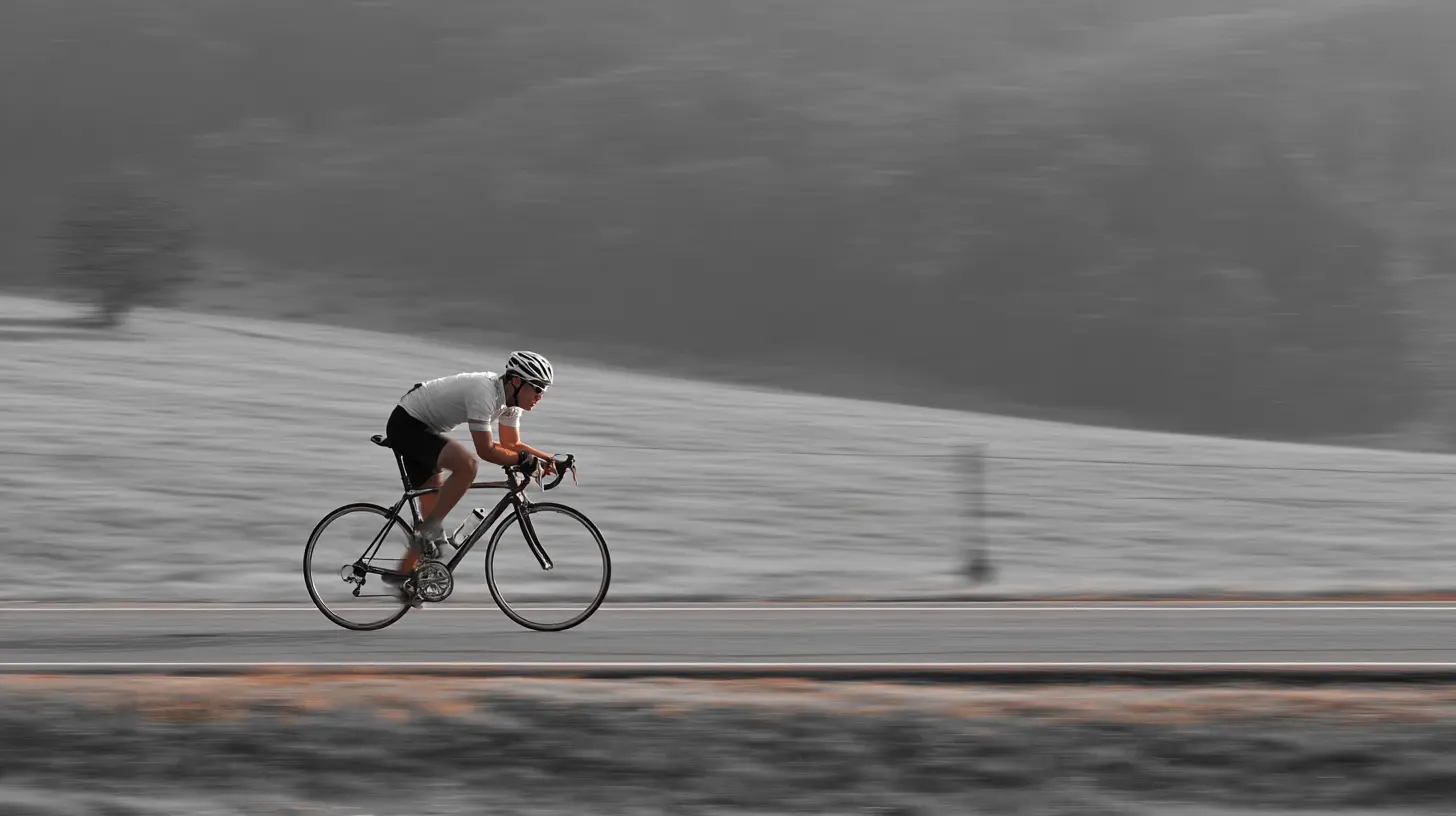
Why Hill Sprints on a Bike?
Let me put it this way—imagine trying to grow a tough, durable tree. You wouldn’t grow it in mild weather with constant sunshine. You'd need some wind, some storms, some resistance.That’s what hills are for your legs.
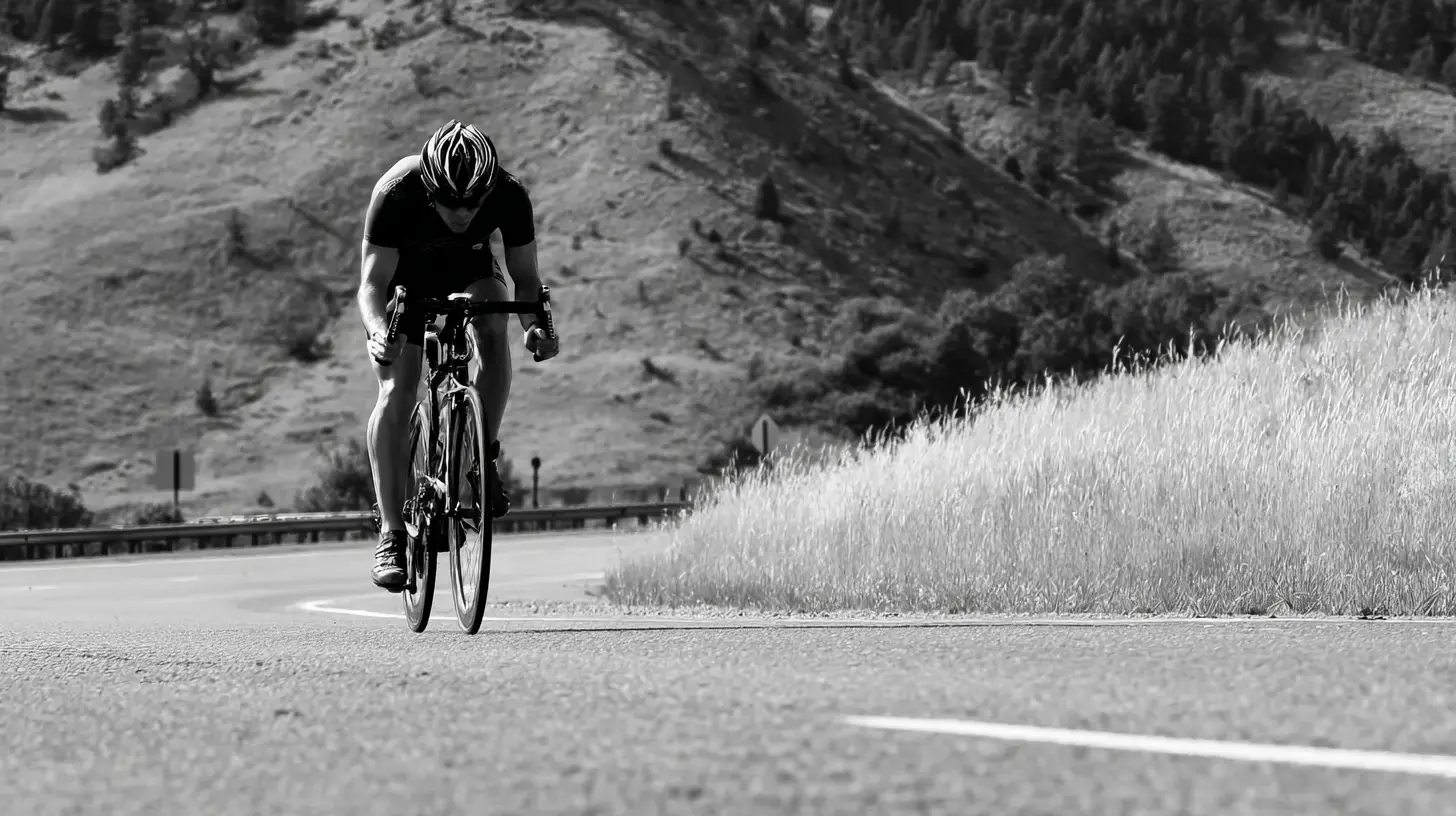
Hill sprints are essentially resistance training on a bike. You're fighting gravity with every pedal stroke, which means your muscles—especially your quads, glutes, hamstrings, and calves—have to work a lot harder than on flat terrain.
The Benefits at a Glance:
- Increased muscle endurance and strength- Improved cardiovascular fitness
- Better lactic acid tolerance
- Higher power output over time
- Mental toughness (because let’s be honest, this stuff is tough)
What Muscles Do Hill Sprints Target?
Knowing what you’re working with helps you appreciate the grind more. Hill sprints primarily target:- Quadriceps: These are the powerhouses when it comes to climbing.
- Glutes: They kick in big time when you’re out of the saddle.
- Hamstrings: They help you pull through the pedal stroke.
- Calves: Your steady hill companions.
- Core muscles: Surprisingly, these keep you stable and balanced.
In short, hill sprints aren't just a leg workout—they’re a full-body effort that torches calories and builds lean, functional muscle.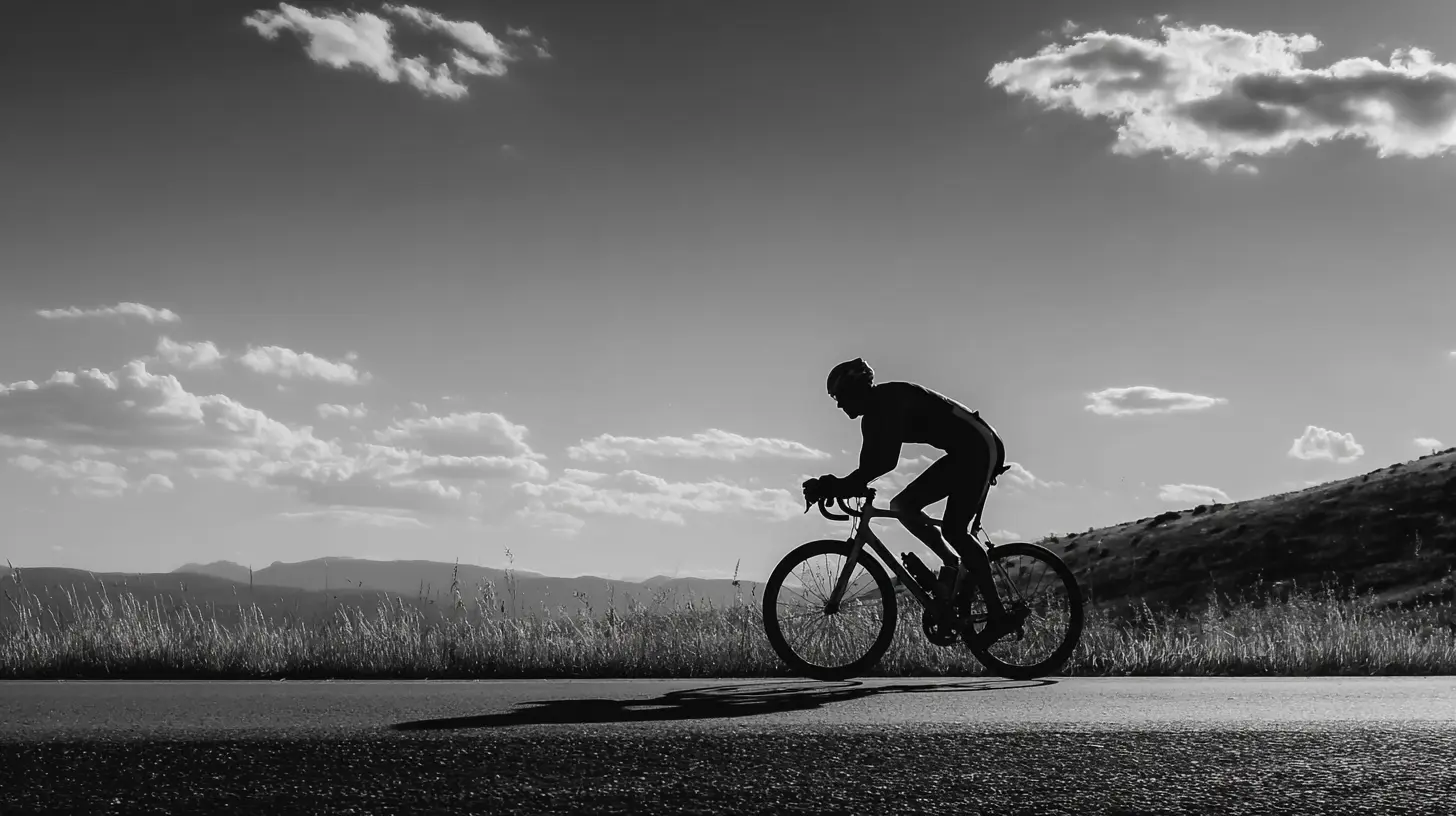
Getting Started with Hill Sprints on a Bike
Alright, ready to roll?Let’s break it down step-by-step so you can safely and effectively add hill sprints into your routine—without feeling like you're biting off more than you can chew.
1. Find the Right Hill
Start with a hill that’s challenging but not ridiculous. Something that's 200–400 meters in length with a moderate incline (about 5-7%) is perfect.Don’t try to tackle Mt. Everest on day one. Look for a hill that takes about 30–60 seconds to climb at a hard effort. As your endurance improves, you can go steeper and longer.
2. Warm-Up Like You Mean It
Never skip this. You’re about to ask a lot from your muscles, so give them some TLC first.Spend 10–15 minutes spinning on flat terrain at a moderate pace. Throw in a few short bursts to get your heart rate up and activate your muscles.
Warm-up tips:
- Easy pedaling for 5 min
- 3-4 short sprints (10 seconds) with rest in between
- Light stretching (especially for the hips and calves)
3. Sprint the Hill
Now for the main event.Shift into a harder gear—something that forces you to push, but not so hard that you can’t maintain good form.
- Stay Seated vs. Stand Up? Try both! Seated climbs focus more on endurance, while standing works different muscle groups and adds intensity.
- Go Hard, Not Reckless: Aim for 80–90% effort. You want to push your limits but not completely crash halfway up.
4. Recover and Repeat
Once you reach the top, coast or spin back down.Rest for 2–3 minutes between efforts, and let your heart rate come down. Recovery is key—it’s during this time that your body adapts and builds strength.
Start with 4-6 sprints. As you progress, you can increase to 10+ rounds or decrease recovery time to up the challenge.
Sample Hill Sprint Workout Plan (Beginner-Friendly)
Here’s a quick template to get you started:| Week | Sets of Sprints | Sprint Duration | Recovery Time |
|------|------------------|------------------|----------------|
| 1-2 | 4 | 30 sec | 3 min |
| 3-4 | 6 | 30–45 sec | 2.5 min |
| 5-6 | 8 | 45 sec | 2 min |
| 7-8 | 10 | 60 sec | 90 sec |
Keep it simple. Listen to your body. And don’t be afraid to back off if you’re feeling burnt out.
Tips to Maximize Your Hill Sprint Sessions
1. Focus on Form
It’s easy to let your technique crumble when the going gets tough. But poor form can lead to injury or wasted effort.- Keep your upper body steady
- Relax your grip on the handlebars
- Engage your core to stay balanced
- Pedal in smooth, complete circles—don’t mash!
2. Mind Your Gear
Your gear should match your fitness level. Too easy, and you won’t get the resistance. Too hard, and you’ll gas out too soon.Experiment a little until you find your sweet spot.
3. Hydrate and Fuel
Hill sprints are intense. Make sure you’re hydrated beforehand, and bring water on your ride.If you're doing longer sessions or back-to-back training days, consider a small carb-based snack 30–60 minutes before your ride.
4. Track Progress
Nothing keeps motivation alive like seeing gains. Track your times, your number of reps, or how fast your heart rate recovers.Apps like Strava or a basic cycling computer work wonders. Over time, you'll see those numbers improve—and that’s addictive.
Common Mistakes to Avoid
We’ve all made them, so let’s skip the guesswork:- Going too hard, too fast: Ease in. It’s a marathon, not a sprint… even if you're technically sprinting.
- Skipping rest days: Recovery is when the magic happens.
- Neglecting other types of riding: Mix it up with long rides, flat intervals, and mobility work to stay balanced.
- Not listening to your body: Fatigue and injury don’t build endurance—they just hold you back.
How Often Should You Do Hill Sprints?
Honestly, it depends on your fitness level and goals. But here’s a general guide:- Beginner: Once a week
- Intermediate: 1–2 times a week
- Advanced: 2–3 sessions depending on total training volume
Give yourself at least one full day between hard effort days to recover.
Do Hill Sprints Burn Fat Too?
Oh yes, they do.Because hill sprints are a form of high-intensity interval training (HIIT), they torch calories both during and after your ride. That “afterburn effect” (scientifically known as EPOC) keeps your metabolism fired up for hours. So while your main goal may be endurance, a leaner, stronger body is a happy side-effect.
Final Thoughts
Look, I’ll be straight with you—hill sprints are tough. They push you mentally and physically. But they also give back in a big, big way. If you stick with it, you’ll notice stronger legs, longer rides, and a whole new level of confidence on the bike.So the next time you see a hill and your instinct is to groan... smile instead. That hill is your training ground. Your gym. Your stairway to stronger, more enduring muscles.
You’ve got this. Clip in, shift down, and power up. One hill at a time.
all images in this post were generated using AI tools
Category:
Cycling FitnessAuthor:

Arthur McKeever
Discussion
rate this article
1 comments
Matteo McDowney
Hill sprints? More like your new favorite torture session!
July 1, 2026 at 4:24 AM
Arthur McKeever
I get it! They really push you, but the payoff is worth it. You'll be stronger for it!