How Gentle Movement Can Improve Mental Health by 2027
22 April 2026
Hey there! Have you ever felt like the weight of the world is resting on your shoulders? We all have those days when stress and anxiety seem to take over, right? But what if I told you that a simple solution lies in gentle movement? Yes, you heard it right! In this article, we’re diving deep into how gentle movement can significantly enhance your mental health as we head towards 2027. So grab a cup of your favorite beverage, and let’s get moving!
What Is Gentle Movement?
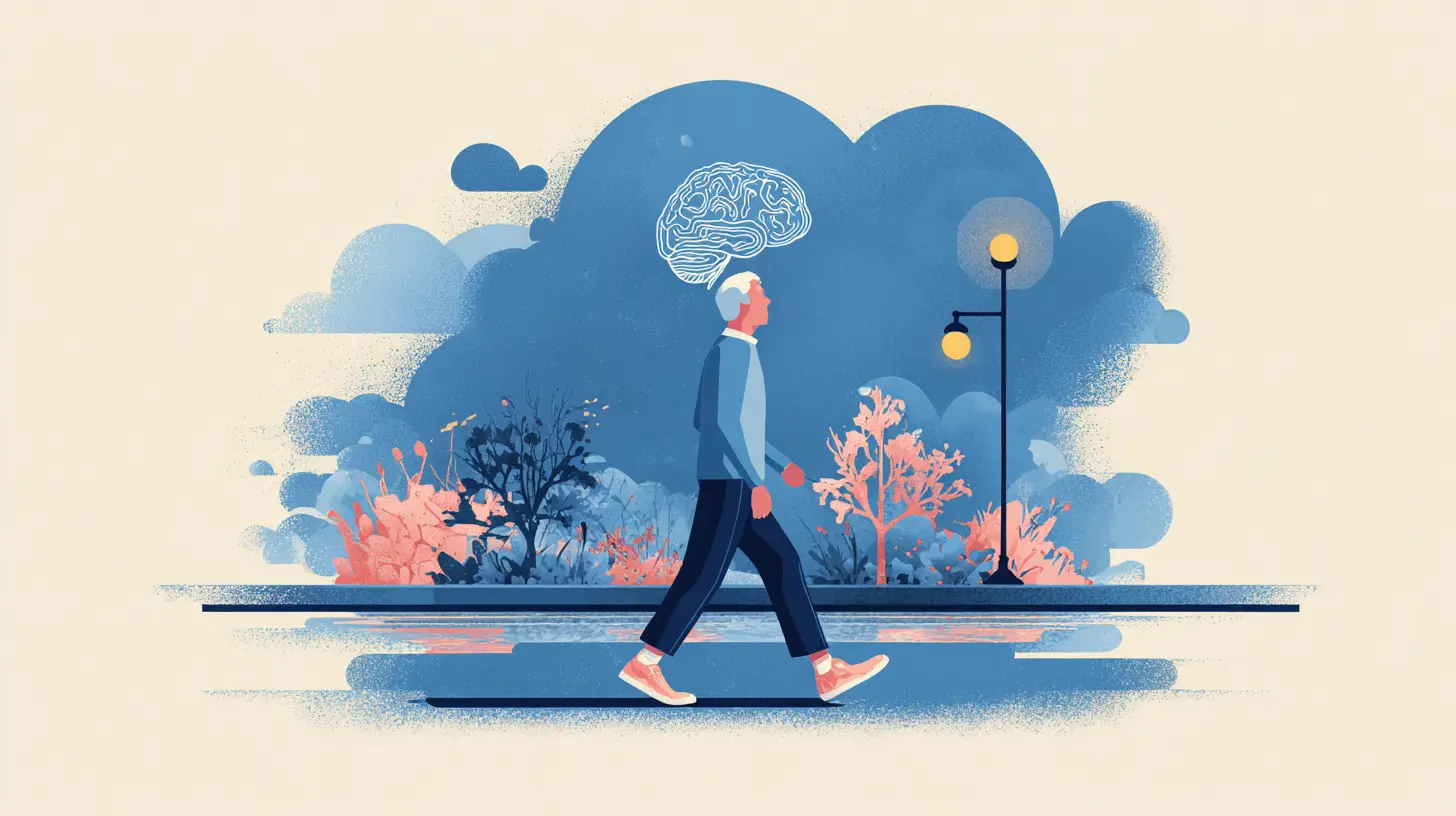
Okay, let’s kick things off by defining what we mean by “gentle movement.” Think of it as any physical activity that’s low-intensity and easy on your body. It doesn’t have to be a rigorous gym session—far from it! Gentle movement could include activities like yoga, tai chi, walking, or even light stretching. It’s all about moving your body in ways that feel good and help you connect with yourself.Imagine your body as a car. If you only push the pedal to the metal, you risk damaging the engine. Gentle movement is like taking your car for a smooth, leisurely drive. You’re giving it the care it needs while still enjoying the journey!
The Connection Between Movement and Mental Health
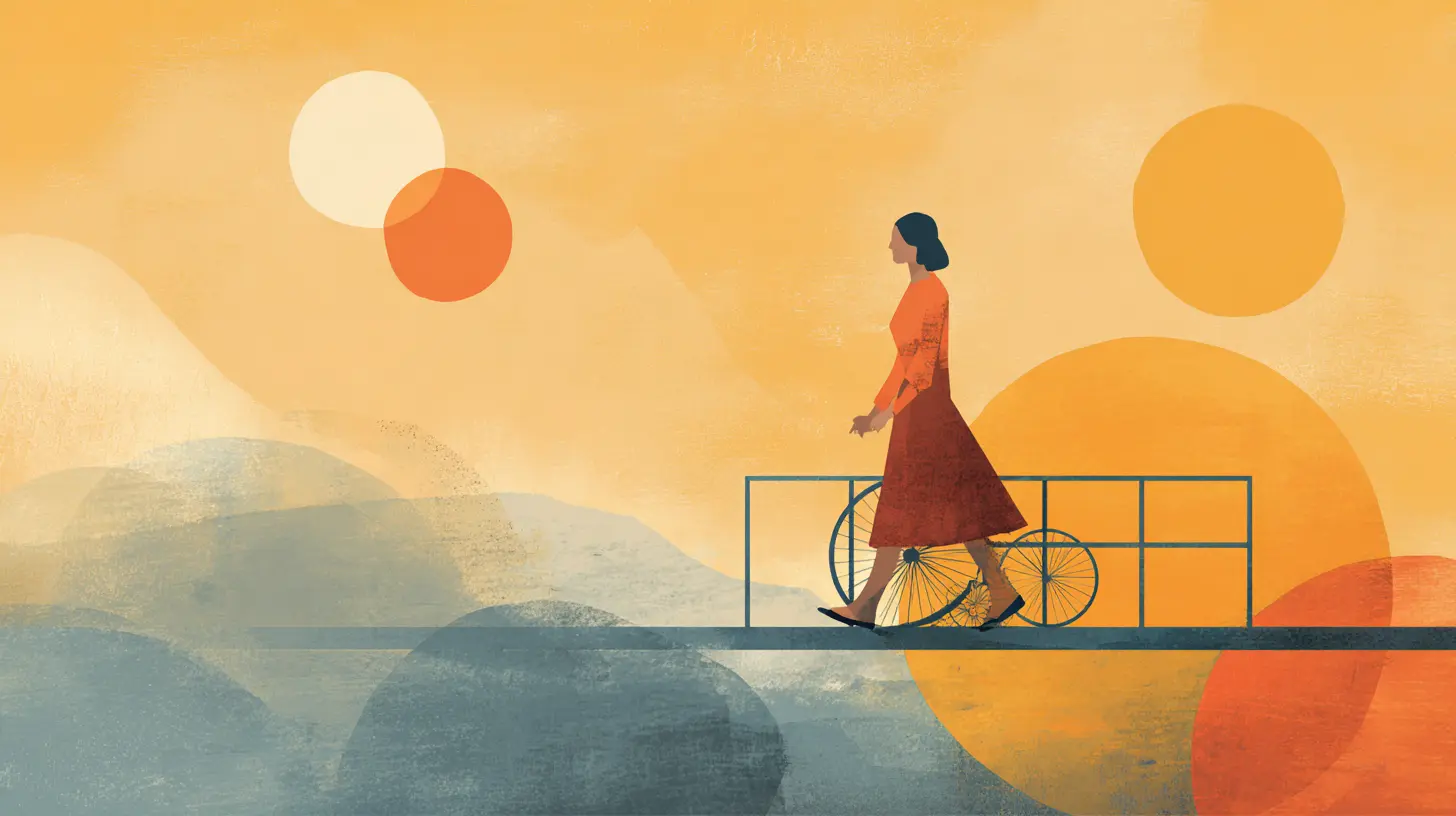
So, why should we care about how movement affects our mental health? Well, the truth is, our minds and bodies are intricately linked. When you move your body, you’re not just working on your physical fitness; you’re also giving a boost to your mental wellness. Studies show that physical activity can help reduce symptoms of anxiety, depression, and stress. But let’s focus on gentle movement and its unique benefits.Boosting Your Mood
Have you ever noticed how a simple stroll in the park can brighten your day? That’s not just in your head! When you engage in gentle movement, your brain releases feel-good hormones called endorphins. These natural mood lifters can help reduce feelings of stress and anxiety. It’s like giving your brain a little hug!Reducing Stress
Gentle movement allows your body to release tension. Just picture how you feel after a gentle yoga session or a leisurely walk. Your muscles loosen, your heart rate slows, and your mind starts to clear. It’s a mini-vacation from the chaos of everyday life. And who doesn’t want that?Enhancing Mindfulness
Mindfulness is a buzzword these days, and for a good reason. It’s all about being present in the moment. When you engage in gentle movement, you naturally tune in to your body and breath. This practice can help you cultivate mindfulness, improving your ability to manage stress and anxiety. Think of it as a way to hit the “refresh” button on your mind.
The Growing Trend of Gentle Movement
Fast forward to 2027, and you’ll likely see a surge in the popularity of gentle movement practices. As more people begin to understand the connection between mental health and physical activity, gentle movement will become a go-to solution for many. Here are a few trends we can expect to see:Online Classes and Communities
With the rise of digital platforms, joining a gentle movement class from the comfort of your home will become increasingly accessible. Imagine logging onto a virtual yoga class with participants from around the world! This sense of community can bolster mental health, making you feel connected even when you’re physically apart.Incorporating Nature
Nature therapy is gaining traction, and gentle movement practices will likely embrace this trend. Imagine practicing tai chi in a serene park, surrounded by trees and chirping birds. The combination of gentle movement and nature can amplify the mental health benefits, helping you feel more grounded and at peace.Personalization
In 2027, expect more personalized approaches to gentle movement. Apps and wearables will allow you to tailor your movement routines based on your mental health needs. Whether you’re looking to relieve stress or boost your mood, having a customized plan can make a world of difference.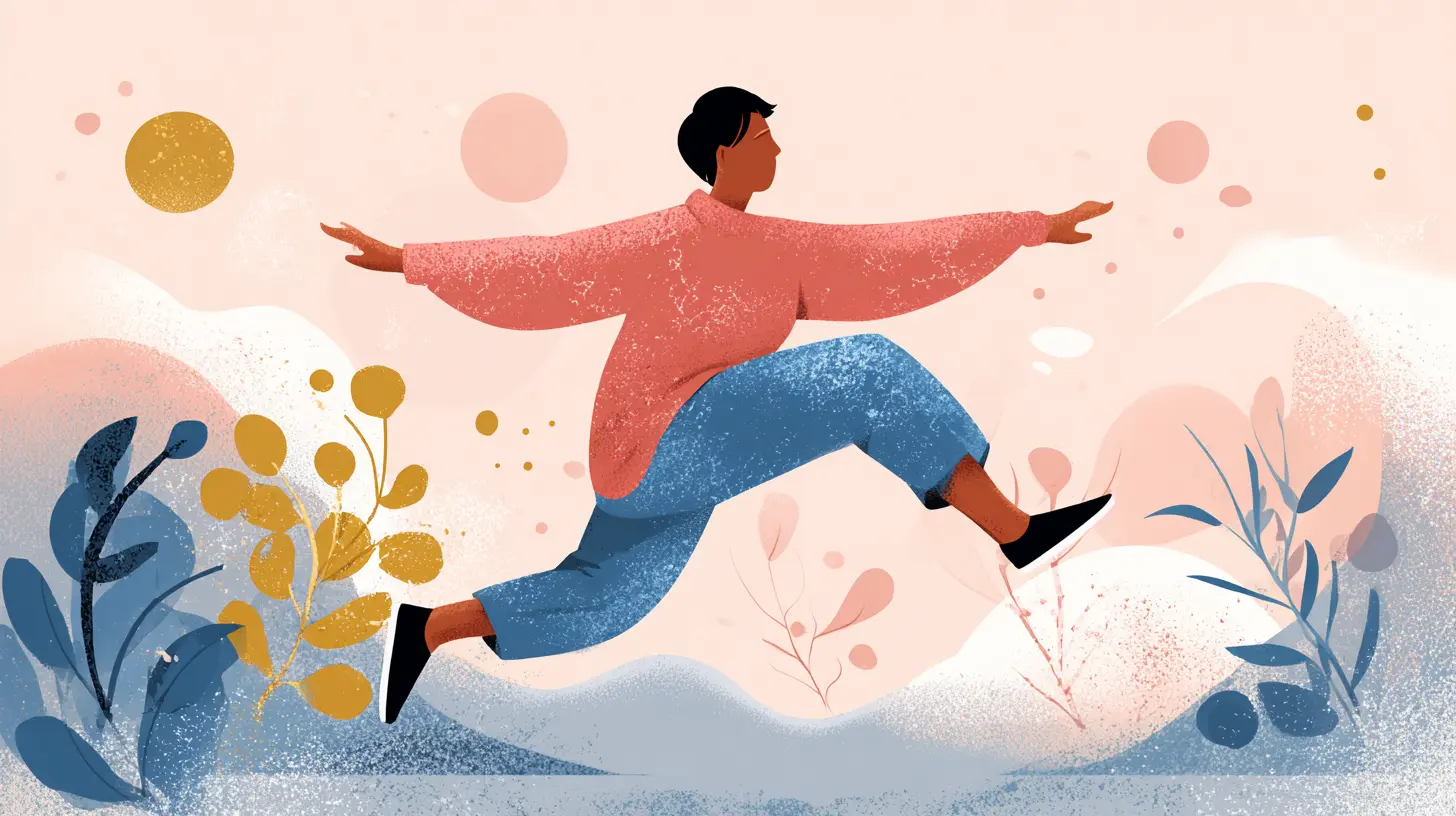
Gentle Movement Practices to Try
Now that we’re all excited about the benefits of gentle movement, let’s dive into some specific practices you can start incorporating into your routine today—no special equipment required!Yoga
Yoga is like a warm embrace for your mind and body. It combines gentle movement with deep breathing, helping to calm your mind while strengthening your body. Plus, there are so many different styles to choose from! Whether you prefer restorative yoga or yin yoga, there’s something for everyone.Tai Chi
Often referred to as “meditation in motion,” tai chi is a gentle martial art that focuses on slow, flowing movements. It’s perfect for reducing stress and improving balance. Picture yourself gliding through the air, feeling the gentle breeze against your skin—sounds peaceful, right?Walking
Never underestimate the power of a simple walk! It’s one of the easiest forms of gentle movement you can do. Whether you stroll through your neighborhood or take a hike in nature, walking can clear your mind and boost your mood. Try to keep your pace slow and take in your surroundings. It’s a beautiful way to practice mindfulness!Stretching
Let’s not forget about stretching! It’s a fantastic way to release tension and improve flexibility. Set aside a few minutes each day to stretch, focusing on areas that feel tight. You’ll be amazed at how much better you feel afterward!The Mind-Body Connection
You might be wondering, “How does gentle movement really impact my mental health?” Well, let’s break it down. When you engage in gentle movement, you’re essentially sending signals to your brain. It’s like telling your brain, “Hey, I’m taking care of myself!” This self-care is crucial for maintaining good mental health.Reducing Anxiety
Gentle movement can help lower anxiety levels by promoting relaxation. When you engage in activities like yoga or tai chi, your heart rate and blood pressure decrease, leading to a calmer state of mind. It’s a natural way to combat anxiety without the need for medication.Building Resilience
Incorporating gentle movement into your lifestyle can help build resilience. When you move your body regularly, you’re training your mind to cope with stress more effectively. It’s like flexing your mental muscles. The more you practice gentle movement, the better equipped you become to handle life’s ups and downs.Improving Sleep
Are sleepless nights becoming your norm? Gentle movement can help improve your sleep quality. Engaging in calming activities like gentle yoga or stretching before bed can signal to your body that it’s time to wind down. A good night’s sleep is essential for maintaining mental clarity and emotional balance.
Creating a Gentle Movement Routine
Ready to make gentle movement a part of your life? Here’s a simple guide to help you create a routine that works for you:1. Start Small
You don’t have to dive into a full-blown yoga practice right away. Start with just a few minutes of gentle movement each day. You can gradually increase the time as you become more comfortable.2. Choose Activities You Enjoy
The key to sticking with a routine is to choose activities you genuinely enjoy. Whether it’s dancing in your living room or taking a mindful walk, pick movements that make you feel good.3. Listen to Your Body
Gentle movement is all about tuning in to your body’s needs. If something doesn’t feel right, don’t hesitate to modify or try a different activity. This journey is about self-care, so be kind to yourself!4. Set a Schedule
Consistency is crucial! Try to set aside specific times during the week for your gentle movement practice. Whether it’s a morning stretch or an evening walk, having a schedule can help you stay on track.5. Connect with Others
Consider joining a class or finding a movement buddy. Sharing this experience with others can keep you motivated and provide a sense of community.Conclusion
As we approach 2027, the importance of gentle movement in improving mental health will only continue to grow. By incorporating gentle movement practices into our daily lives, we’re not just taking care of our bodies; we’re nurturing our minds too. So let’s embrace the power of gentle movement and pave the way for a healthier, happier future. Remember, every little bit counts—so move gently, and move often!all images in this post were generated using AI tools
Category:
Daily MovementAuthor:

Arthur McKeever
Discussion
rate this article
2 comments
Nadine Marks
Embrace the power of gentle movement! Every small step taken today paves the way for a brighter tomorrow. As we prioritize our mental health, let’s cultivate joy through simple movement. Remember, progress is not always swift, but every effort counts. Keep moving forward!
April 26, 2026 at 3:11 AM
Arthur McKeever
Absolutely! Even small movements can make a big difference. Every step truly counts on the path to better mental health. Let's keep moving together!
Garrett McTigue
Gentle movement, such as yoga or tai chi, has been shown to alleviate stress and anxiety while enhancing overall mental well-being. Incorporating these practices can yield significant improvements by 2027.
April 24, 2026 at 2:58 AM
Arthur McKeever
Absolutely, gentle movement can be transformative for mental health. It's great to see more recognition of these practices and their benefits.