How Aromatherapy Can Help Manage and Reduce Stress
27 January 2026
Let’s be real—life can be a total rollercoaster sometimes. Between juggling work deadlines, family responsibilities, and that never-ending to-do list, stress tends to sneak up on us. Sound familiar? If you’re nodding your head, you’re not alone.
Now, what if I told you that something as simple as a scent could bring you back to a place of calm? That’s where aromatherapy comes in. Aromatherapy isn't just a fancy term thrown around in spas — it’s actually a powerful, natural way to help your body and mind chill out when life gets overwhelming.
In this post, we’re diving deep into how aromatherapy can help manage and reduce stress. We’ll cover what it is, how it works, the best essential oils to use, and how you can start using it—like, today.
What Exactly Is Aromatherapy?
Let’s start with the basics. Aromatherapy is a holistic healing treatment that uses natural plant extracts—usually in the form of essential oils—to promote health and well-being. It's been around for thousands of years. The Egyptians, Greeks, and Chinese were all using aromatic plants for healing and spiritual rituals long before modern medicine came into play.But in today’s world, it’s not about burning incense during ancient ceremonies. It’s about tapping into the natural power of essential oils to get your mind and body back in sync.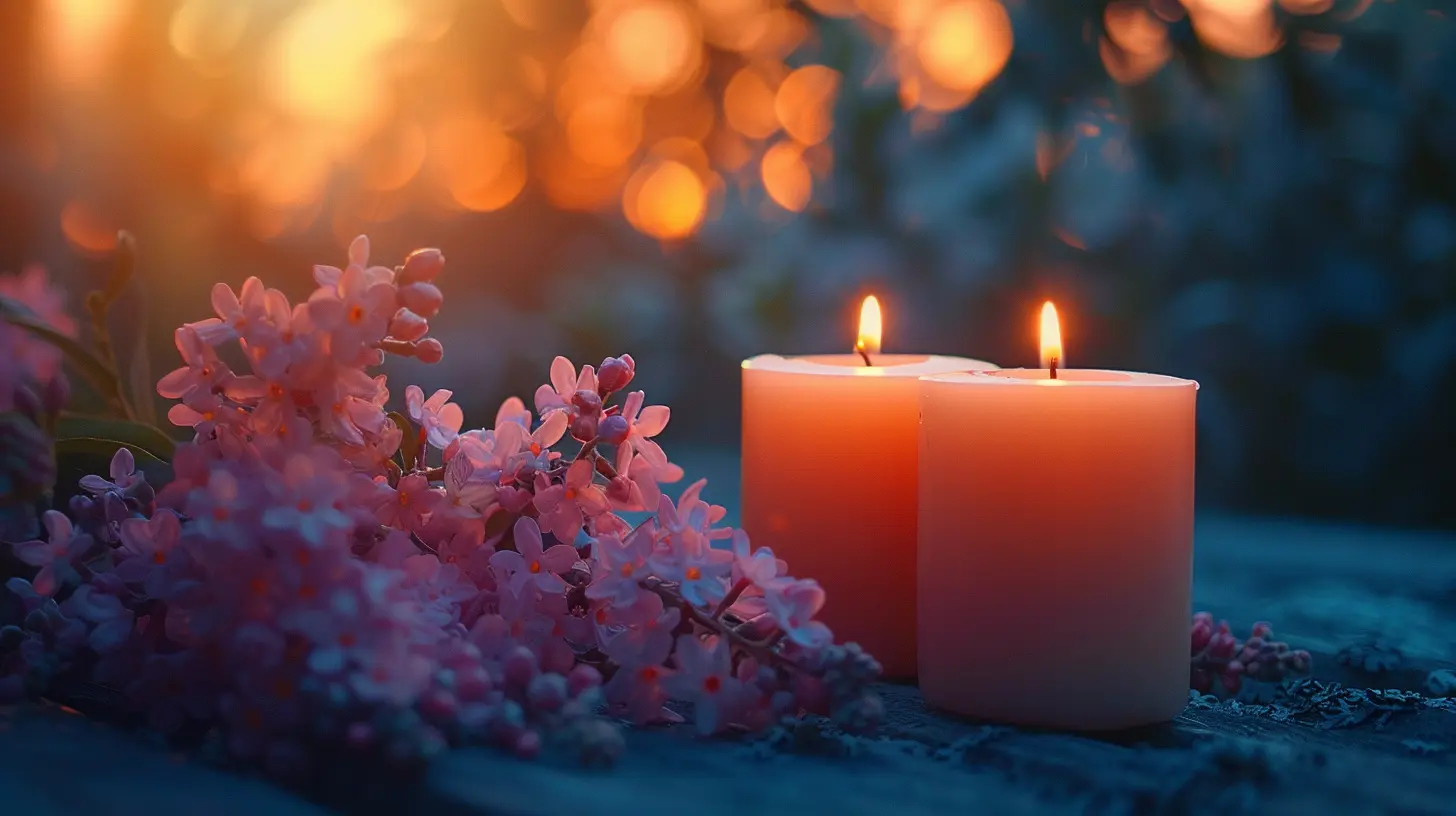
Can Scents Really Affect Stress?
Absolutely. Our sense of smell is closely tied to our brain’s limbic system—the part that controls emotions, memories, and even behavior. Ever caught a whiff of fresh-baked cookies and instantly felt like you were back in Grandma’s kitchen? That’s the limbic system at work.When we inhale essential oils, the aromatic molecules travel through the nose and interact with receptors in the brain. This can trigger mood changes, lower cortisol levels (that pesky stress hormone), and even help regulate sleep and heart rate.
In short: certain smells can actually tell your brain to calm the heck down.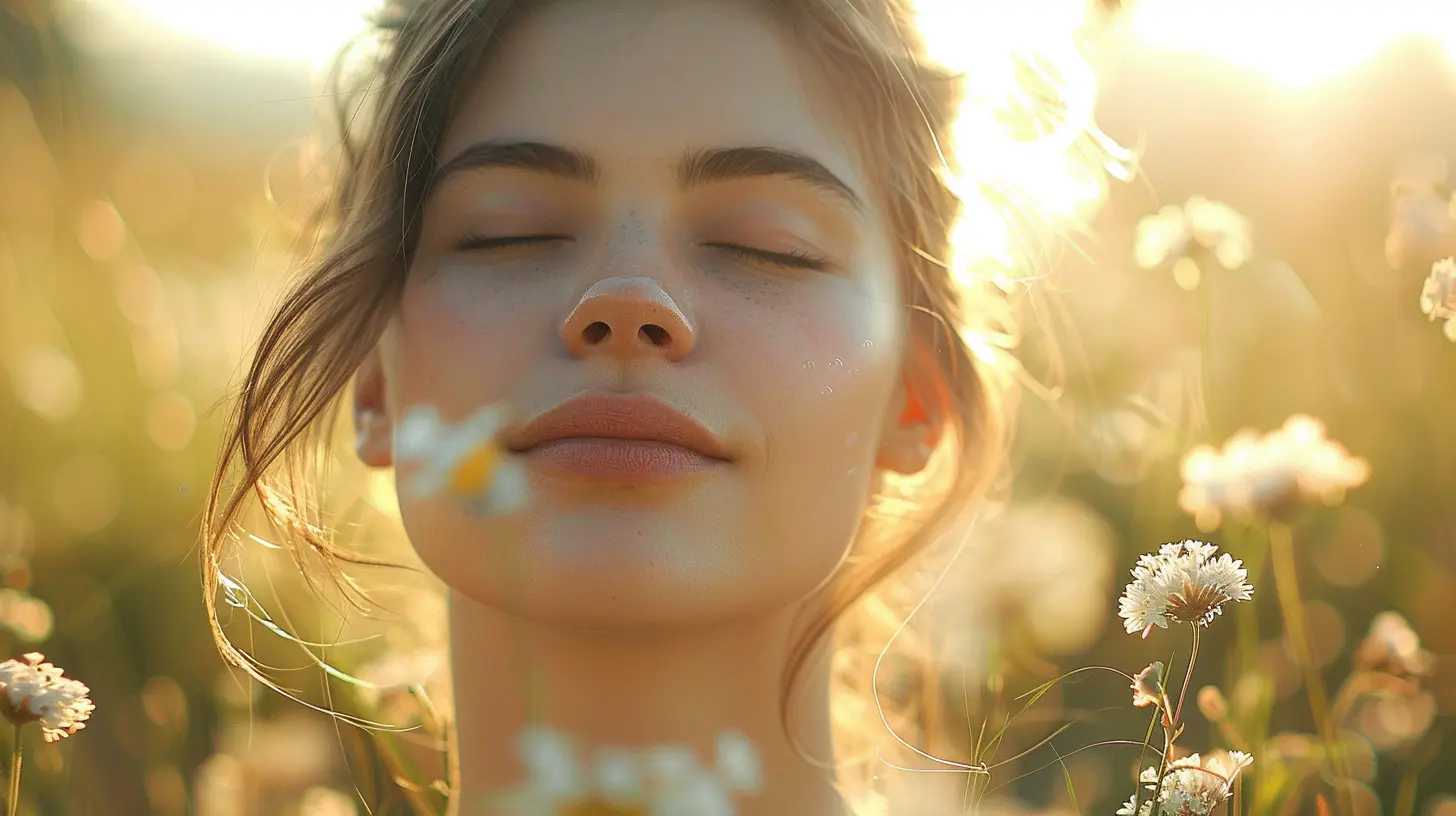
The Science Behind Aromatherapy and Stress
You might be thinking, “Okay, smells are nice—but is there any actual science behind this?” You bet there is.Numerous studies have shown that aromatherapy can play a big role in reducing stress and anxiety. A study published in the Journal of Alternative and Complementary Medicine found that patients exposed to lavender essential oil reported lower anxiety levels before surgery. Another research published in Evidence-Based Complementary and Alternative Medicine showed that essential oils like bergamot and ylang-ylang could significantly reduce stress levels in teachers.
So this isn’t just woo-woo stuff. There's real data showing that aromatherapy isn't just mentally relaxing—it has physiological effects on the body too.
Most Effective Essential Oils for Stress Relief
If you’re ready to dip your toes into the world of aromatherapy, start with these stress-busting superstars:1. Lavender
Lavender is like the golden retriever of essential oils—gentle, friendly, and always makes you feel better. It’s well-known for its calming and sedative properties. Great for reducing anxiety, easing tension, and even helping with insomnia.2. Bergamot
Ever sipped on a cup of Earl Grey tea and suddenly felt a little more at ease? That’s bergamot oil doing its thing. It has uplifting properties that can boost your mood while also calming your nervous system.3. Chamomile
No surprise here. Chamomile isn’t just for tea. Roman chamomile essential oil is often used to combat irritability and restlessness. It’s like a warm hug in a bottle.4. Ylang-Ylang
Hard to say, but easy to love. Ylang-ylang works wonders when it comes to reducing heart rate and promoting relaxation. It has a sweet, floral scent that feels like a gentle breeze across a tropical island.5. Frankincense
This ancient oil does more than smell amazing. Frankincense encourages deep breathing, which naturally slows down the body’s stress response. Great during meditation or deep relaxation sessions.How to Use Aromatherapy for Stress Management
Okay cool, you’ve got your oils—now what? Don’t worry, using essential oils is super simple, and there are tons of ways to incorporate them into your daily routine.1. Diffusers — The Set-It-and-Forget-It Option
Diffusers are one of the most popular ways to enjoy aromatherapy. Add a few drops of your favorite oil to a diffuser filled with water, and let the scent fill your space. It’s like a spa day without leaving your living room.2. Inhalation — Quick and Effective
Need stress relief on the go? Just add a drop or two of essential oil onto a tissue or even your palm, hold it near your nose, and take a few deep breaths. It’s a mini-break for your brain.3. Topical Application — But Always Dilute!
You can apply essential oils to the skin, but you’ll need to dilute them with a carrier oil (like coconut, jojoba, or almond oil) first. Good spots? Your temples, neck, or wrists. Think of it as perfume with purpose.4. Bath Time Bliss
Add a few drops of your chosen essential oils to your bath along with some Epsom salts. Boom—instant relaxation. Just make sure to mix the oils with a neutral oil first to avoid skin irritation.5. Aromatherapy Jewelry
Yes, it’s a thing! Wearable diffusers made from lava stones or felt pads hold essential oils so you can enjoy the scent (and the benefits) all day long.Daily Aromatherapy Routine to Beat Stress
Want a simple aromatherapy plan you can actually stick with? Here you go:- Morning: Start the day with an energizing oil like sweet orange or peppermint in your diffuser while you get ready. This boosts your mood and sets a positive tone.
- Midday: Feeling the pressure mounting? Use a roll-on blend of lavender and bergamot on your wrists and take a few deep breaths.
- Evening: Wind down by diffusing chamomile or frankincense while you read or meditate.
- Bedtime: Add a few drops of lavender to your pillow or run a hot bath with calming oils to prep your body for restful sleep.
Potential Side Effects and Safety Tips
Of course, as with anything natural or otherwise, using essential oils isn’t without its do’s and don’ts. Here’s what you need to keep in mind:- Always dilute before applying oils to your skin. Some oils can irritate or even burn if used straight from the bottle.
- Do a patch test first, especially if you have sensitive skin.
- Avoid using essential oils near your eyes, inner ears, or mucous membranes.
- Some oils aren’t safe for kids or pets—check the label or do a quick Google search if you're unsure.
- Pregnant or breastfeeding? Talk to your healthcare provider before using essential oils.
Aromatherapy Isn’t a Cure-All… But It’s Pretty Darn Close
Let’s clear the air—pun 100% intended. Aromatherapy isn’t a magic wand that’ll make all your problems disappear. Stress is part of life. But it is a gentle, natural way to help your body and mind cope a whole lot better.Think of essential oils as tools in your self-care toolbox. They’re powerful on their own, but even better when combined with other wellness practices like mindfulness, exercise, good sleep, and proper nutrition.
Final Thoughts
If life’s been feeling a little too heavy lately, aromatherapy might just be the breath of fresh air you need—literally. It’s affordable, easy to use, and honestly kind of fun. Plus, your home will smell amazing all the time.So why not give it a try? Your senses (and your stress levels) will thank you.
all images in this post were generated using AI tools
Category:
Stress ManagementAuthor:

Arthur McKeever
Discussion
rate this article
2 comments
Caden Clarke
Who knew that sniffing a bottle of lavender could be the ultimate life hack? Forget meditation—I'm just one deep inhale away from blissful zen... as long as I don’t accidentally grab the garlic! 😄
February 20, 2026 at 4:38 AM
Arthur McKeever
Absolutely! Aromatherapy can be a simple yet powerful tool for relaxation—just be sure to distinguish between calming scents and culinary ones! 😄
Angela Kirk
Aromatherapy is a powerful tool for enhancing well-being! Embracing soothing scents can transform your daily routine, helping to melt away stress and promote relaxation. Incorporate essential oils into your life and unlock a calmer, more balanced you!
February 2, 2026 at 3:55 PM
Arthur McKeever
Thank you for highlighting the benefits of aromatherapy! Incorporating essential oils truly can create a more peaceful and balanced daily experience.