Heart Health for Women: What You Need to Know About Cardiovascular Risks
23 February 2026
When you think about heart disease, do you picture an older man clutching his chest in a dramatic movie scene? Well, it's time to change that picture. Heart disease isn’t just a “guy thing” — in fact, it's the leading cause of death for women worldwide. Yes, you read that right!
We often talk about breast cancer awareness, and while it's important, heart disease actually claims more women's lives each year. But here's the kicker — many women don't even realize they're at risk.
So pull up a chair, grab your favorite herbal tea, and let’s chat about your heart. We’re diving into the why, how, and what-you-can-do of heart health for women. Because knowledge isn’t just power — it’s prevention.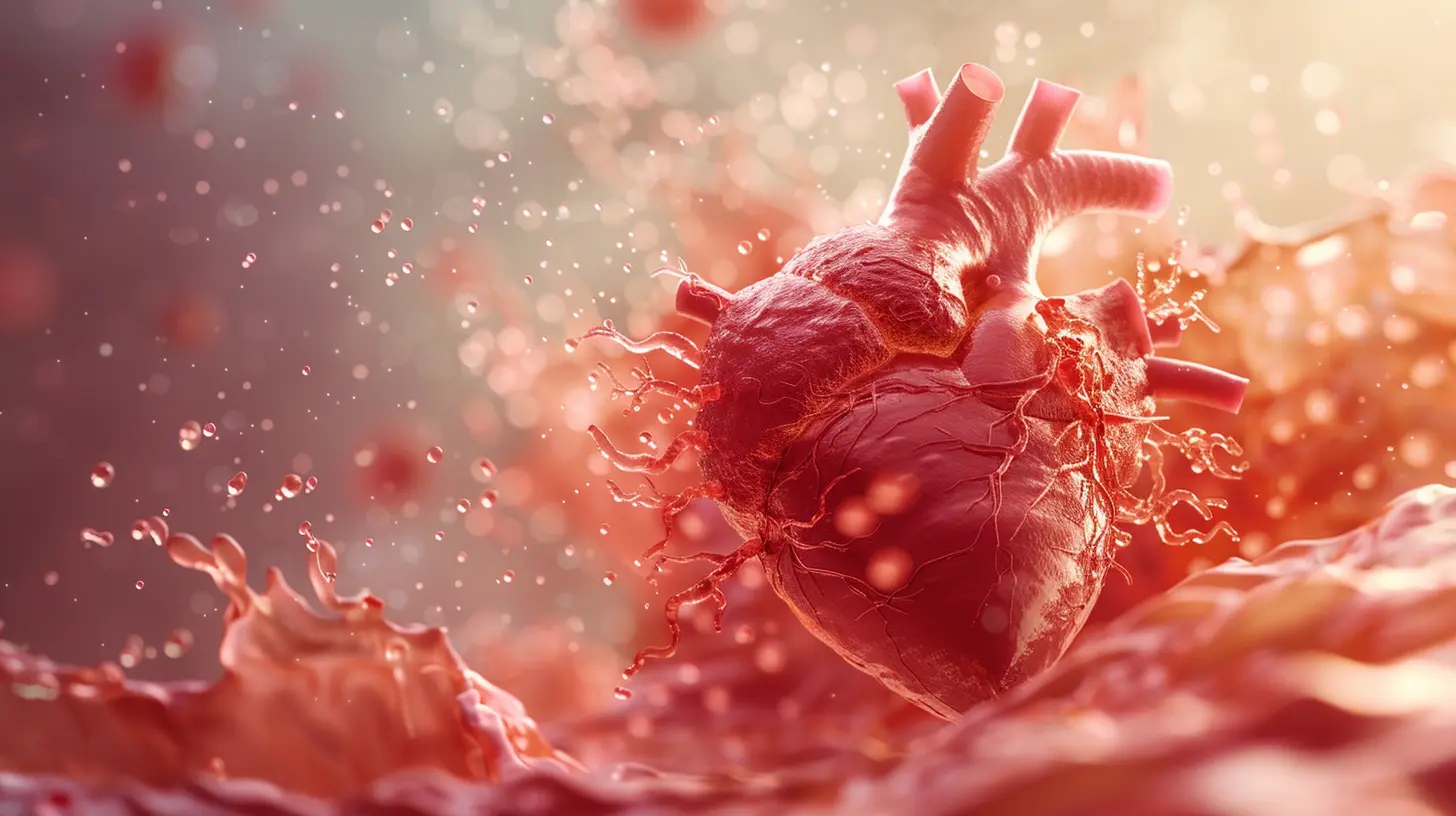
Why Heart Health Matters for Women
Let’s cut to the chase. Heart disease kills more women than all types of cancer combined. Yet, it's still wildly under-recognized and under-diagnosed in women.Why? Well, for starters, heart disease has been historically studied more in men. And women often develop symptoms that are more subtle, less dramatic, and — you guessed it — easier to brush off.
Now here’s the sad irony: many women are actually better at taking care of others than taking care of themselves. Sound familiar? If you’re constantly putting your family, job, or dog before your own health, keep reading. This article is your permission slip to prioritize YOU.
What Causes Heart Disease in Women?
Alright, time for a mini science lesson — but don’t worry, I’ll keep it simple.Your heart is a muscular organ that pumps blood all around your body. It works 24/7. When your arteries — the blood vessels that nourish your heart — get narrowed or blocked, your heart has to work harder. That’s when trouble starts.
For women, the causes of heart disease include the usual suspects:
- High blood pressure
- High LDL (“bad”) cholesterol
- Smoking
- Diabetes
- Obesity
- Lack of physical activity
- Poor diet
- Stress
But there are also some extra curveballs for women, such as:
- Hormonal changes (especially around menopause)
- Pregnancy-related complications (like preeclampsia)
- Autoimmune conditions (like lupus or rheumatoid arthritis)
- Depression and anxiety — which are more common in women and can impact heart health
So yeah, it’s a bit of a tangled web. But untangling it is possible — and totally worth it.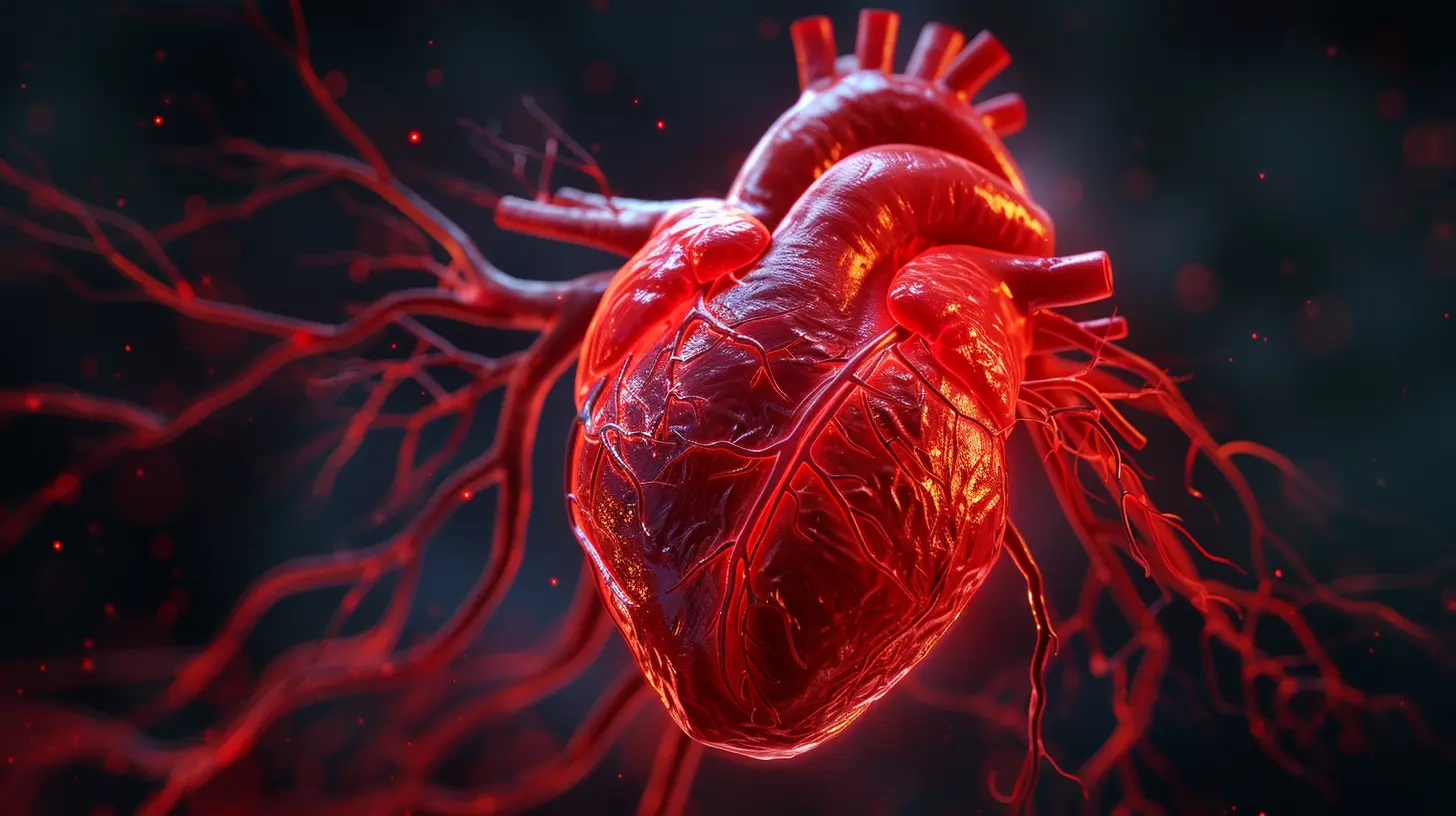
Signs of a Heart Attack in Women: Not What You Think
Okay, pop quiz: What’s the most common symptom of a heart attack?If you said “chest pain,” you’re not wrong. But here's where it gets tricky — women often experience very different symptoms than men.
While men might feel that crushing chest pain we see in the movies, women’s symptoms can be vague or easily mistaken for something else, like the flu or stress.
Here are some sneaky signs of a heart attack in women:
- Unusual fatigue (we’re talking wiped out for days)
- Nausea or vomiting
- Shortness of breath
- Lightheadedness or dizziness
- Pain in the jaw, neck, back, or stomach
- Cold sweats
- Sleep disturbances
Sounds like a bad day? It could be. Or it could be your heart crying for help.
So if something just doesn’t feel right, don’t hesitate — call 911. Better safe than sorry, always.
The Estrogen Angle: What's Hormones Got to Do With It?
Ah, estrogen — the hormone that makes women's health so... interesting.Before menopause, estrogen helps protect the arteries by keeping them flexible. That’s one reason premenopausal women generally have lower heart disease risk than men the same age.
But once menopause hits and estrogen levels drop? That protection goes out the window.
This hormonal shift can also lead to:
- Higher blood pressure
- Increased LDL cholesterol
- More belly fat (yep, the “menopause belly” is real)
- Insulin resistance
All of these are risk factors for heart disease. So, postmenopausal women really need to be extra vigilant about their heart.
The Role of Stress and Mental Health in Women’s Heart Health
Let’s talk about stress — the invisible killer.Women are champions at multitasking, juggling family, work, relationships — you name it. But that kind of chronic stress takes a toll on your heart.
Stress triggers your body’s “fight or flight” response, increasing cortisol, heart rate, and blood pressure. Over time, this sets the stage for heart disease.
And here’s another twist: depression and anxiety aren’t just mental health issues — they’re heart health issues, too.
Studies show that women with depression are two to three times more likely to develop heart disease. Why? Because your heart and mind are connected in more ways than one.
In other words: caring for your mental health isn’t a luxury. It’s a vital part of your heart health strategy.
How to Lower Your Risk — Starting Now
Good news: You’re not powerless. Far from it.There are plenty of things you can start doing TODAY to protect your heart.
1. Move Your Body (Yes, Even a Little)
You don’t need to run a marathon or spend hours at the gym. Just aim for 30 minutes of moderate activity most days of the week.That could mean:
- Brisk walking
- Dancing around your kitchen
- Gardening
- A quick YouTube yoga session
The goal? Get your heart pumping and your blood flowing.
2. Eat Like You Love Your Heart
No, you don’t need to survive on kale and quinoa (unless you like them — go for it!). But making heart-smart food choices can make a huge difference.Focus on:
- Whole grains
- Leafy greens
- Berries
- Nuts (in moderation)
- Healthy fats like olive oil and avocado
- Lean protein like fish, beans, and chicken
And try to limit your intake of:
- Processed foods
- Added sugars
- Excess salt
- Fried and fatty foods
Small swaps add up. Your heart will thank you.
3. Know Your Numbers
This one's important, and honestly, kind of empowering.Get regular check-ups and keep track of:
- Blood pressure
- Cholesterol levels
- Blood sugar
- Body mass index (BMI)
Knowing your numbers puts you in the driver’s seat. Ask your doctor: “What do these numbers mean for me?”
4. Quit Smoking (Seriously)
If you smoke, your heart is basically waving a white flag. But quitting — even today — starts reversing the damage.It’s tough, no doubt. But there are support groups, medications, and therapies that can help. Your heart deserves it.
5. Manage Stress (In a Way That Works for You)
What helps you feel calm? Meditation? Journaling? A walk with your dog? Watching cat videos?Make time for it — daily if you can. Your heart isn’t just a machine. It feels the wear and tear of your everyday life.
Heart Health at Every Age
Your 20s or 30s might seem early to worry about heart health, but prevention starts young. Trust me — your future self will high-five you.In Your 20s and 30s:
- Build healthy habits early- Avoid smoking
- Learn about your family’s heart history
In Your 40s:
- Watch for changes in your blood pressure and cholesterol- Start screening for diabetes
- Stay active, especially if you’re balancing work and family
In Your 50s and Beyond:
- Pay attention to menopause-related changes- Keep up with check-ups
- Focus on strength training and balance exercises (good for your heart and your bones!)
When to Talk to a Doctor
If you’ve got any of the following risk factors, it’s time to book a chat with your healthcare provider:- Family history of heart disease
- High blood pressure or cholesterol
- Diabetes or prediabetes
- Menopause (especially if it came early)
- Smoking history
- Autoimmune conditions
And if something feels “off” in your body — even if you’re not sure it’s your heart — speak up. Women’s symptoms can be overlooked or misunderstood. Be your own best advocate.
Final Thoughts: Your Heart Is Not Just a Pump — It's Your Powerhouse
So, here’s the bottom line. Your heart isn’t just a physical organ; it’s the rhythm of your life. It’s there through every laugh, every tear, every first date or final goodbye. It's steady, strong, and often taken for granted.But not anymore.
Now you know the risks. You know the signs. And more importantly, you know there’s so much you can do.
So take care of your heart like you would care for your best friend. Live with intention. Nourish your body. Move it. Love it. Cherish it.
Because a healthy heart isn’t just about living longer — it’s about living better.
all images in this post were generated using AI tools
Category:
Heart HealthAuthor:

Arthur McKeever
Discussion
rate this article
2 comments
Max Carter
Prioritize regular check-ups to monitor heart health risks.
March 2, 2026 at 4:01 PM
Arthur McKeever
Absolutely! Regular check-ups are essential for early detection and management of heart health risks.
Phaedron Kim
Thank you for this informative article on women's heart health. It's crucial to raise awareness about cardiovascular risks and empower women to take charge of their heart health. I appreciate the tips and insights provided for prevention and awareness.
February 23, 2026 at 3:37 PM
Arthur McKeever
Thank you for your kind words! I'm glad you found the article helpful in raising awareness about women's heart health.