Electrolytes and Their Impact on Hydration and Muscle Function
19 July 2026
Have you ever had a muscle cramp mid-workout and thought, "Wait, why is my body betraying me right now?" Or maybe after a long day in the sun, you find yourself dizzy, drained, and just... off. Yep, chances are your electrolytes are out of whack.
Let’s be real — the word “electrolytes” gets thrown around a lot (especially in sports drinks ads), but most of us don’t really know what they are or why they’re such a big deal. So, if you've ever asked yourself, "What do electrolytes even do?", you're in the right place.
In this deep dive, we’re going to unpack how electrolytes fuel hydration, keep your muscles working like a well-oiled machine, and why ignoring them might be sabotaging your performance and well-being.
What Exactly Are Electrolytes?
Let’s start from the top.Electrolytes are minerals found in your blood, sweat, and urine that carry an electric charge. That charge? It’s essential for some pretty major things your body does every minute — like balancing fluid levels, helping muscles contract, and sending nerve signals.
The main electrolytes you’ll hear about are:
- Sodium
- Potassium
- Magnesium
- Calcium
- Chloride
- Phosphate
- Bicarbonate
Each one plays a unique role, and they all work together like an all-star team. Think of them as microscopic DJs making sure the beat of your body doesn’t skip.
Why Are Electrolytes So Important for Hydration?
Hydration isn’t just about water — it’s about water and electrolytes. Picture your body as a sponge. Water alone will pass right through if the sponge isn't prepped with the right balance of minerals. That’s what electrolytes do — they hold onto water and help your cells absorb and use it effectively.Sodium: The Gatekeeper of Fluid Balance
Sodium might have a bad rep for causing high blood pressure when overconsumed, but in the right amounts, it's gold. It helps regulate how much water is inside and outside your cells. Not enough sodium, and water can’t hang around where it needs to be. You might feel bloated or dehydrated at the same time — weird, right?Potassium: The Balancing Act
While sodium pulls water into cells, potassium makes sure it doesn’t go overboard. These two are like the yin and yang of fluid balance. If sodium is the gas pedal, potassium is the brake. And without enough potassium? You can end up dehydrated even if you’re drinking tons of water.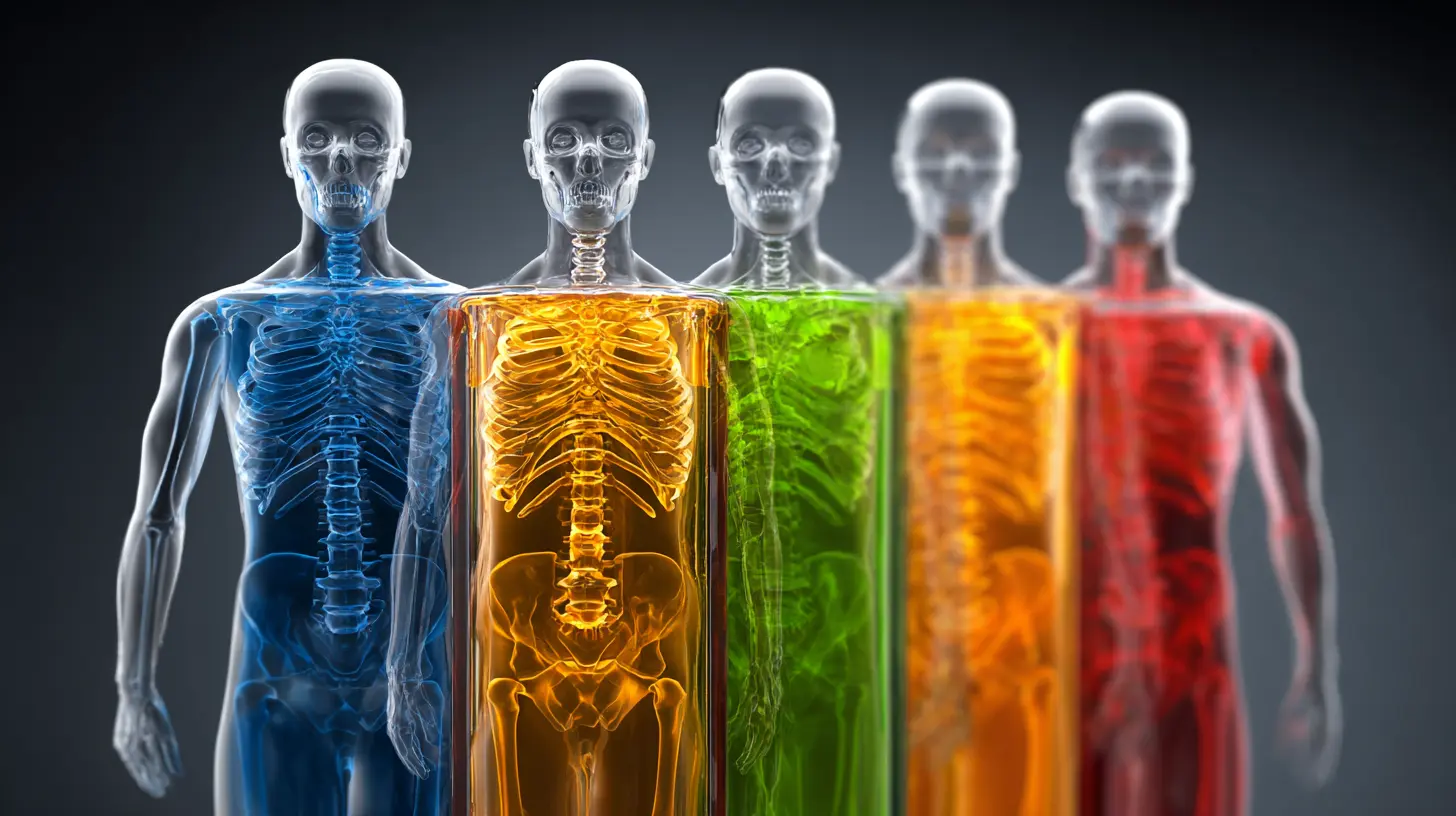
Electrolytes and Muscle Function: The Unsung Heroes
Ever wonder why your muscles cramp mid-run or shake during a workout? It often comes down to electrolyte imbalances.Calcium: Not Just for Bones
You probably associate calcium with strong bones, which is true, but it also plays a direct role in muscle contraction. When a nerve signals a muscle to move, calcium rushes in and says, “Go time.” Without enough calcium, that signal gets lost in translation.Magnesium: The Muscle Soother
Magnesium is like the chill friend who helps muscles relax after all that contraction. It counterbalances calcium and prevents cramping and spasms. If your legs feel like they’re locking up after exercise, magnesium might be your missing link.The Cramp Connection
Here’s the thing — cramps aren’t just annoying. They’re your body screaming for help. It’s saying, “Hey, I’m trying to contract and relax these muscles, but I’m missing the tools!” That’s often a shortage of magnesium, sodium, or potassium.
How Do You Lose Electrolytes?
Spoiler: you lose electrolytes all the time — through sweat, urine, and even breathing.Sweating Like Crazy
Whether you’re running a marathon or doing hot yoga for 30 minutes, you lose a ton of sodium and other electrolytes through sweat. That’s why you might feel dizzy or drained after intense workouts.Diuretics and Coffee Overload
Ever find yourself running to the bathroom after a few cups of coffee? Diuretics (like caffeine and some medications) make you pee more, which means you’re flushing out electrolytes faster than you can say "triple-shot latte."Illness, Vomiting, and Diarrhea
This one’s a no-brainer. If anything’s coming out of you forcefully — yeah, electrolytes are going with it.Signs Your Electrolytes Might Be Off
Your body’s pretty clever, and it’ll throw up red flags if something’s off. Here’s what to look out for:- Muscle cramps or spasms
- Fatigue, even after resting
- Headaches or dizziness
- Irritability or mood swings
- Fast or irregular heartbeat
- Nausea or vomiting
- Tingling or numbness
If these sound familiar, your electrolytes might be waving tiny white flags.
So... How Do You Replenish Electrolytes?
Sure, sports drinks are one option, but they’re not the only game in town.Water Ain’t Enough (Sometimes)
Drinking water is essential, no doubt. But if you’re sweating buckets, plain water might dilute your existing electrolyte levels. That’s when you need to level up your hydration game.Eat Electrolyte-Rich Foods
Nature’s got your back. A lot of everyday foods are packed with electrolytes:- Bananas: Great source of potassium.
- Leafy greens: Magnesium galore.
- Dairy: High in calcium.
- Avocados: Packed with potassium and magnesium.
- Coconut water: A solid natural alternative to sports drinks.
- Salted nuts: Small sodium boost, especially after sweating.
Electrolyte Supplements and Drinks
These can be helpful if you’re:- Working out hard or sweating a lot
- Sick with vomiting/diarrhea
- On a low-carb or keto diet (which depletes electrolytes faster)
- Traveling or out in the heat all day
Look for low-sugar or sugar-free options that contain a mix of sodium, potassium, magnesium, and calcium.
Electrolytes and Exercise: A Critical Combo
If you’re active — and we’re talking anything from CrossFit to neighborhood jogs — electrolytes are your workout buddies.Pre-Workout Prep
If you know you’ll be sweating, it’s smart to have a light snack or drink with some electrolytes before going in. This primes your muscles and helps prevent mid-session burnout.During the Grind
For workouts over an hour or in hot conditions, consider sipping on an electrolyte drink. It keeps your energy up and cramps at bay.Post-Workout Recovery
Recovery isn’t just about protein. Rehydrating and replenishing electrolytes is key to muscle repair and performance.Electrolytes and Everyday Life
Even if you’re not an athlete, your body still needs a solid electrolyte balance to function properly.At the Office
Ever hit that midday fog at your desk? It might not be just boredom. Mild dehydration and low electrolytes can zap your mental clarity and energy. A glass of water with a pinch of salt and splash of lemon might perk you up more than a third cup of coffee.During Travel
Flying? Long car rides? Changing climates? All these mess with your hydration levels. Pack a travel-friendly electrolyte packet in your bag. Your future self will thank you.Common Electrolyte Myths
Hold up. Before you start chugging neon-colored sports drinks, let’s bust a few myths.Myth #1: More Electrolytes = Better
Nope. Balance is everything. Overdoing certain minerals (like too much sodium) can cause high blood pressure or other issues. Stick to recommended doses and listen to your body.Myth #2: You Only Need Electrolytes When Exercising
Not true. Illness, travel, stress, and even a poor diet can throw your balance off. Electrolytes are for life, not just for leg day.Myth #3: All Electrolyte Drinks Are Healthy
Some are basically liquid candy — packed with sugar and artificial junk. Read the labels, or better yet, make your own with water, sea salt, lemon, and a splash of maple syrup or honey.DIY Electrolyte Drink Recipe
Want a quick fix without the mystery ingredients? Try this:Simple Homemade Electrolyte Drink:
- 2 cups of water
- Juice of 1 lemon or lime
- ⅛ tsp sea salt or Himalayan salt
- 1 tbsp honey or maple syrup (optional)
- Stir and enjoy!
Tastes refreshing, and it’s functional, too.
Final Thoughts
So, there you have it. Electrolytes aren’t just for marathon runners or gym warriors. They’re for anyone who wants to feel energized, alert, and balanced — whether you're crushing a spin class or tackling emails.Paying attention to your body’s signs, staying hydrated the right way, and feeding yourself mineral-rich foods can transform how you feel day-to-day.
Next time you get that weird muscle twitch or feel drained even after eight hours of sleep… don’t just chug water. Think electrolytes.
Trust me, your muscles will thank you.
all images in this post were generated using AI tools
Category:
MineralsAuthor:

Arthur McKeever