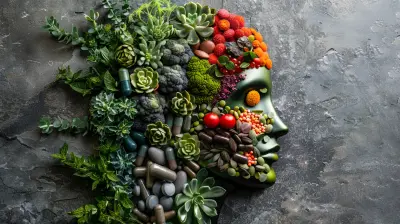
Digestive Health and Its Connection to Your Energy Levels
4 April 2026
Let’s be real. You’ve probably had days when your energy tanks for seemingly no good reason. You slept okay, had your regular cup of coffee, maybe even squeezed in a workout—but still, you feel foggy, sluggish, and like you’re dragging your body through wet cement. What gives?
Here’s something many folks overlook: your gut.
Yep, your digestive system isn't just breaking up that burrito bowl you had for lunch—it’s playing a critical role in how energized (or exhausted) you feel throughout the day. In fact, your gut and your energy levels? They’re deeply connected, almost like best friends constantly texting each other throughout the day.
Let’s dive into how your digestive health can either fuel your day or leave you drained before noon.
How Your Digestive System Powers Your Energy
It All Starts With Nutrient Absorption
Think of food as gasoline and your gut as the engine. You can fill up your tank with the best fuel on the planet (hello, kale smoothies and chia seeds), but if your engine isn’t working properly, you aren't going anywhere.Your digestive system breaks food down into nutrients—vitamins, minerals, amino acids, glucose—that are then absorbed into your bloodstream. These nutrients fuel your cells, power your brain, and kickstart your muscles into action.
If your digestion is sluggish or impaired, guess what? You’re not getting the nutrients you need. It's like trying to charge your phone with a frayed cable—it just won't work efficiently.
Gut Inflammation = Energy Drain
Have you heard of “leaky gut”? It’s not just some trendy buzzword—it’s a real issue. When your gut lining is inflamed or compromised, toxins and undigested food particles can sneak into your bloodstream. Your immune system freaks out and jumps into action.Constant, low-grade inflammation like this eats up energy. Your body is busy fighting a battle internally, leaving you with less fuel for daily tasks, concentration, and even mood stability.
It’s like having a phone app that constantly runs in the background, draining your battery without you even realizing it.
Gut Microbiome: Your Energy’s Secret Weapon
What’s the Gut Microbiome Anyway?
Inside your digestive tract live trillions (yes, TRILLIONS) of bacteria, fungi, and other microorganisms. This complex community is known as your gut microbiome. Think of it as your body’s microscopic metropolis.Now here’s where things get interesting—science shows that the balance of bacteria in your gut has a massive impact on how much energy you feel throughout the day.
The Good Guys vs. The Bad Guys
When your gut is loaded with “good” bacteria—the ones that love fiber, probiotics, and nutrient-dense food—they help produce short-chain fatty acids and B vitamins that are crucial for energy production.But those “bad” bacteria? The ones that thrive on sugar, processed foods, and stress? They steal your energy, contribute to inflammation, and even trigger more food cravings that keep the cycle going.
So next time you're tempted to polish off that tub of ice cream, ask yourself: Is it worth the energy crash?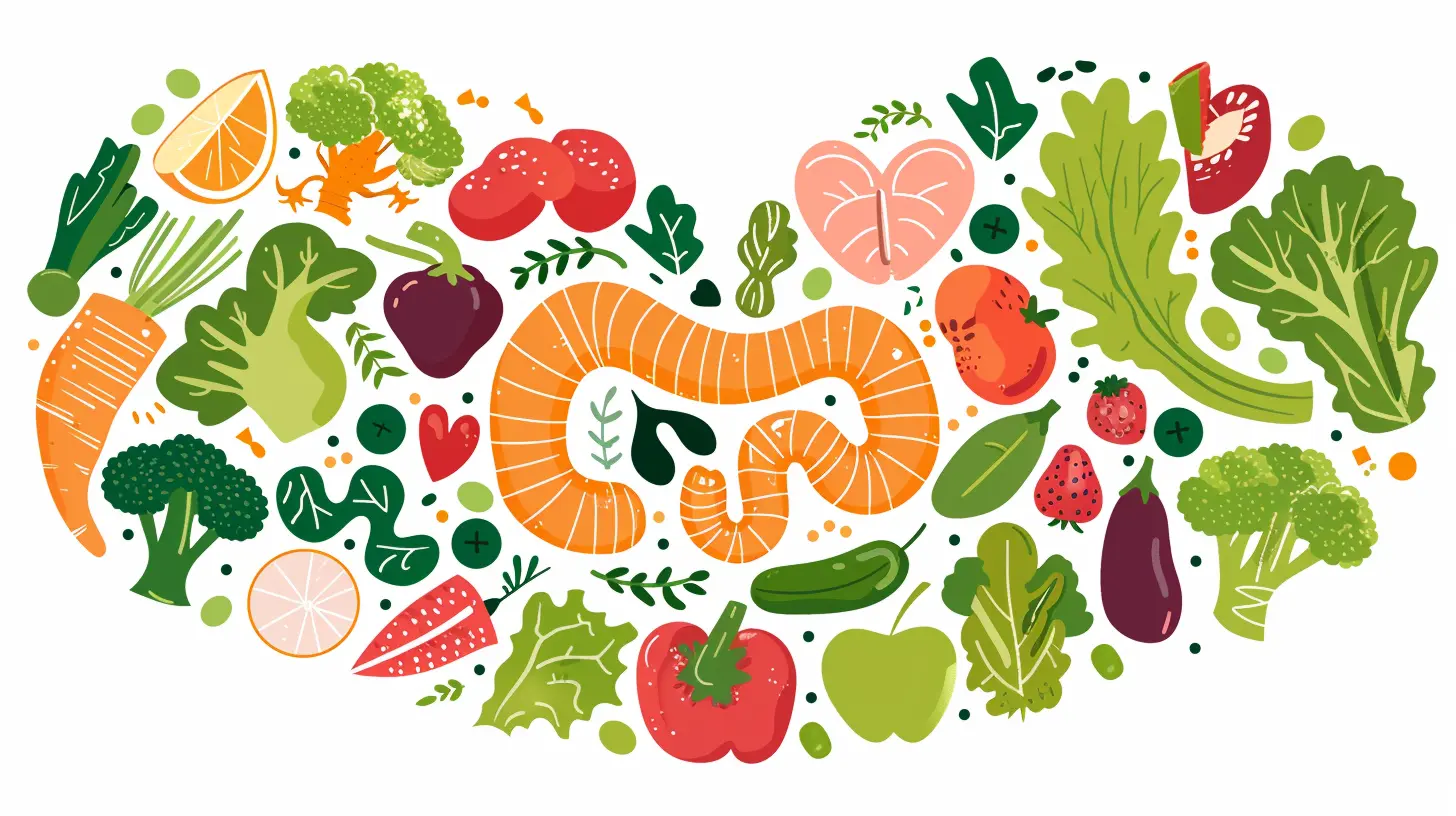
The Gut-Brain-Energy Triangle
Your Gut Talks to Your Brain—A Lot
They don’t call the gut the “second brain” for nothing. The gut-brain axis is a real communication highway where messages constantly go back and forth between your digestive system and your central nervous system.If your gut is out of balance, your brain gets the memo—and not in a good way. You might experience fatigue, brain fog, low motivation, or even mild depression. That’s because 90% of your serotonin (a mood-regulating feel-good chemical) is made in the gut!
Low serotonin = low mood = low energy. It’s all connected.
Ever Feel Tired After Eating?
That post-meal slump (you know, the one where you seriously consider napping under your desk) isn’t just from overeating. If your digestive system is under stress, it takes extra effort—aka energy—to process food.An overworked gut can divert blood flow from other parts of your body, leaving you feeling drowsy, slow, and mentally checked out. And if you’re downing foods your body doesn’t tolerate well? Game over.
Signs Your Gut Might Be Draining Your Energy
Pay attention to the signals. Your body is constantly talking to you—are you listening?Here are a few red flags that your gut might be messing with your energy:
- Bloating and gas (especially after meals)
- Irregular bowel movements or constipation
- Food cravings (especially for sugar or carbs)
- Brain fog or trouble concentrating
- Constant fatigue, even after rest
- Mood swings or irritability
- Feeling “heavy” or sluggish after eating
Sound familiar? Don’t worry—there’s plenty you can do to turn things around.
How to Support Your Gut for Better Energy
1. Feed the Good Bacteria
You’ve got to give your gut flora something to thrive on. Load up on:- Fermented foods like yogurt, kefir, sauerkraut, kimchi, and kombucha
- Prebiotic fibers found in foods like garlic, onions, leeks, bananas, and asparagus
- Healthy fats like avocado and olive oil that reduce inflammation
Think of these as VIP tickets to the energy party inside your body.
2. Cut the Gut-Saboteurs
You already know the usual suspects:- Processed junk
- Excess sugar
- Artificial sweeteners
- Alcohol
- Antibiotics (when not necessary)
These foods don’t just make your gut cranky—they actively harm it. Throw them out like bad roommates who don't pay rent and eat all your snacks.
3. Stay Hydrated
Water isn’t just for keeping your skin clear. It’s essential for digestion, nutrient absorption, and elimination. Dehydration slows everything down, including your ability to stay alert and energized.Make it easy: Start the day with a huge glass of water and keep one within arm’s reach all day. Your gut—and your brain—will thank you.
4. Manage Stress (Seriously)
Chronic stress literally shuts down your digestive system. Ever felt butterflies in your stomach before a presentation? That’s your brain telling your gut to pause digestion. Now imagine what daily stress does long term.Incorporate stress-busting habits like:
- Deep breathing
- Meditation or mindfulness
- Gentle exercise
- Journaling
Sometimes, the best gut fix isn’t just changing your diet—it’s calming your mind.
5. Sleep Like You Mean It
One night of poor sleep can mess with your gut bacteria. And a messed-up gut makes good sleep harder. It’s a vicious cycle.Aim for 7–9 hours a night, and prioritize quality. No screens before bed. Cool, dark room. Stick to a sleep schedule. Your gut will respond in kind.
6. Move Your Body Daily
Physical activity helps move things along (literally). It stimulates gut motility, supports microbiome health, and boosts energy production at the cellular level.You don’t need an hour at the gym—just a brisk walk, some stretching, or even dancing in your kitchen can do wonders.
Supplements That Might Help (But Don’t Rely on Them Alone)
While whole foods and lifestyle changes are the foundation, supplements can give your gut a little extra love:- Probiotics: Look for multi-strain formulas
- Digestive enzymes: Especially if you feel heavy or bloated after meals
- L-glutamine: Supports gut lining repair
- Magnesium: Helps with digestion and energy metabolism
Always talk to a healthcare pro before starting any supplements, especially if you have underlying health issues.
Final Thoughts: Fuel Your Gut, Fuel Your Life
We often chase energy in all the wrong places—more coffee, sugary snacks, energy drinks, or scrolling through productivity hacks. But here’s the truth: none of that matters if your gut is unhappy.When your digestion is dialed in, your body becomes an efficient, energized machine. You think clearer, move faster, and feel lighter—physically and mentally.
So if you’ve been feeling “off,” start paying attention to your gut. It’s not just about avoiding stomachaches or bathroom troubles. It’s about reclaiming your energy, your focus, and your vitality.
Let your gut lead the way—your energy levels will follow.
all images in this post were generated using AI tools
Category:
Energy BoostAuthor:

Arthur McKeever
Discussion
rate this article
2 comments
Karly McNeil
Unlock vitality: Is your gut hiding secrets?
April 8, 2026 at 3:20 PM
Arthur McKeever
Absolutely! A healthy gut plays a crucial role in energy production and overall vitality. Exploring your digestive health can reveal key insights into your energy levels.
Lysara Newman
Great article! It's amazing how digestive health directly influences our energy levels. Prioritizing gut health can truly transform how we feel daily. Keep up the excellent work!
April 7, 2026 at 3:42 AM
Arthur McKeever
Thank you so much for your kind words! I’m glad you found the article insightful. Prioritizing gut health really does make a significant difference!