Cycling for Stress Relief: Pedaling Your Way Toward Calm
16 June 2026
Life can be overwhelming, right? Deadlines, responsibilities, and the constant pinging of notifications can leave you feeling like you're stuck in an endless loop of stress. But what if I told you there’s a simple, enjoyable way to hit the reset button? Enter cycling—a fun, effective, and natural stress reliever that can help you regain your calm while improving your overall well-being.
Let's dive into how cycling can be your ultimate escape and why it should be a key part of your stress-busting routine. 
Why Stress Is More Dangerous Than You Think
Stress isn’t just a mental burden—it takes a serious toll on your body. Chronic stress can lead to sleep disturbances, weakened immunity, high blood pressure, and even heart disease. It messes with your mood, energy levels, and ability to focus.And let’s be honest: stress isn’t going anywhere. With the fast-paced nature of modern life, it's crucial to find healthy ways to manage it rather than letting it control you. That's where cycling steps in like a superhero on two wheels.
How Cycling Reduces Stress: The Science Behind It
Ever noticed how you feel lighter and more refreshed after a good bike ride? That’s not just in your head—it’s science at work! Here’s how cycling helps melt stress away:1. Releases Feel-Good Hormones
When you cycle, your brain gets a nice boost of endorphins—those magical hormones that trigger feelings of happiness and reduce pain. Some even call them "nature’s antidepressants." Plus, cycling increases serotonin and dopamine levels, making you feel calmer and more content.2. Reduces Cortisol (The Stress Hormone)
Cortisol is that pesky hormone responsible for stress-related tension, anxiety, and irritability. Regular cycling helps regulate cortisol levels, reducing stress and promoting relaxation.3. Encourages Deep Breathing
When you're pedaling away, your breathing naturally deepens, helping your body get more oxygen. This calms your nervous system, lowers your heart rate, and signals your brain that it's time to relax.4. Promotes Mindfulness
Ever gotten lost in the rhythm of your pedaling, focusing only on the road ahead? That’s mindfulness in action! Cycling encourages you to focus on the present moment, leaving worries and distractions behind.5. Improves Sleep Quality
Poor sleep and stress go hand in hand. The good news? Cycling helps regulate your sleep patterns, making it easier to fall asleep and stay asleep. A well-rested mind handles stress way better than an exhausted one.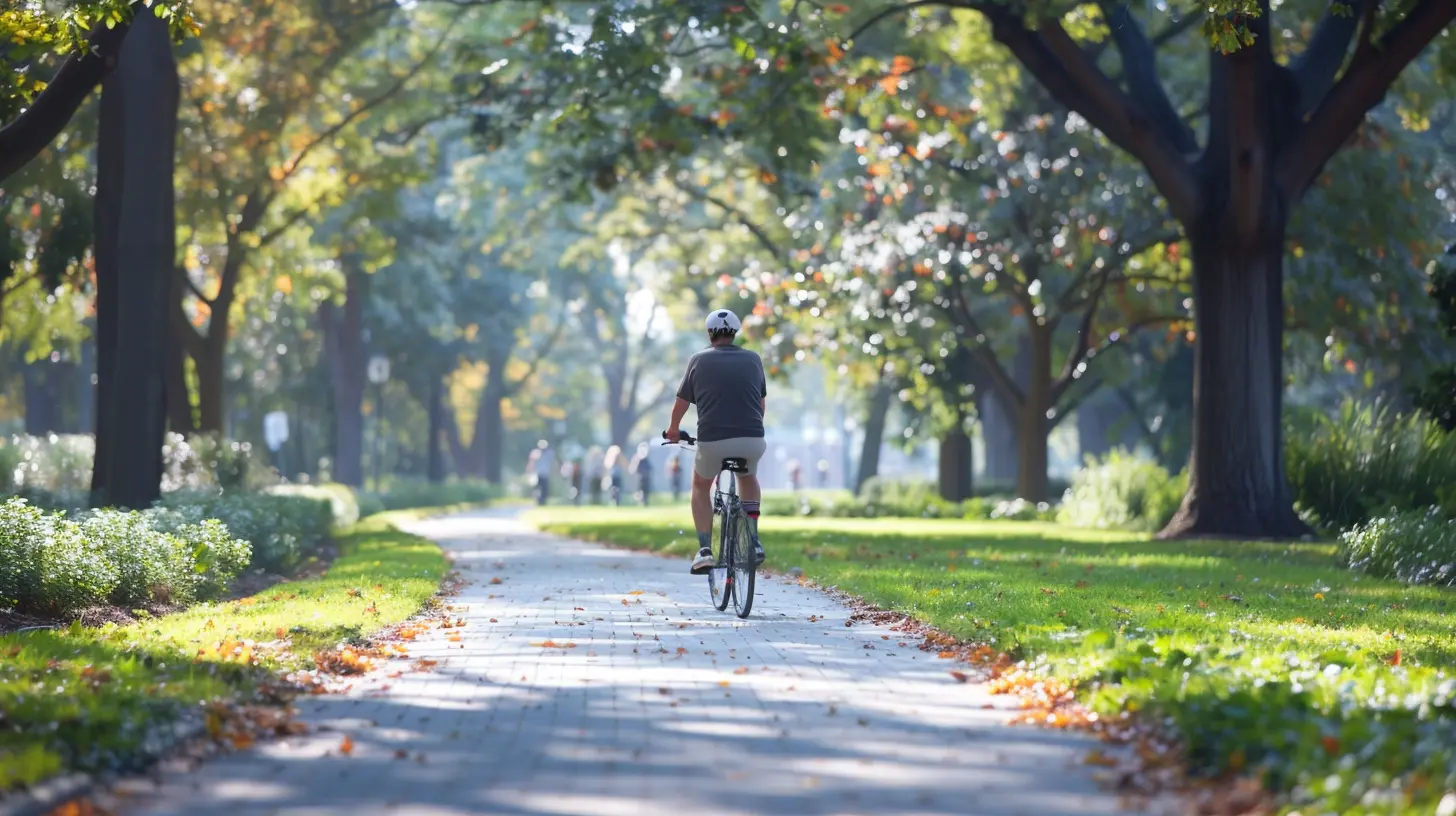
The Mental Benefits of Cycling: More Than Just Stress Relief
Cycling does more than just dial down your stress levels—it sharpens your mind, improves your mood, and builds resilience. Here’s how:Boosts Creativity and Problem-Solving
Ever been stuck on a problem only to find a solution pop into your mind during a bike ride? That’s no coincidence! Aerobic exercise like cycling increases blood flow to the brain, enhancing creativity and problem-solving skills.Builds Mental Strength
Pushing through a tough ride, tackling challenging hills, or going the extra mile builds mental resilience. This toughness extends beyond the bike—you’ll find yourself handling everyday stress more effectively.Acts as a Natural Antidepressant
Cycling reduces symptoms of anxiety and depression by increasing the production of neurotransmitters like serotonin and norepinephrine. It’s like therapy—without the couch!
Physical Benefits of Cycling That Indirectly Combat Stress
Stress often leads to physical symptoms like headaches, muscle tension, and fatigue. The good news? Cycling takes care of those too!Lowers Blood Pressure and Heart Rate
High stress levels contribute to hypertension and heart problems. Cycling improves cardiovascular health, keeping your blood pressure in check while strengthening your heart.Relieves Muscle Tension
Stress often manifests as tight, aching muscles. Cycling helps relieve that tension, loosening up your body and improving flexibility.Boosts Energy Levels
Stressed out and drained? Cycling boosts circulation, delivering oxygen and nutrients to your muscles and organs. The result? A natural energy boost that keeps you feeling fresh and alert.Best Cycling Practices for Maximum Stress Relief
Not all bike rides are created equal when it comes to stress relief. Here’s how to make the most of your cycling sessions:1. Ride in Nature Whenever Possible
Cycling through parks, forests, or along the beach amplifies stress-relief benefits. Nature has a calming effect, reducing feelings of anxiety and promoting relaxation.2. Ditch the Screens and Enjoy the Moment
Resist the urge to check your phone while cycling. Instead, soak in the sights, sounds, and sensations around you. Let your mind wander—it's a form of active meditation.3. Find Your Rhythm
Whether it’s a slow cruise or an intense ride, find a pace that feels right for you. The key is consistency—aim for at least 30 minutes a few times a week.4. Listen to Music or a Podcast
If music soothes your soul, create a playlist of relaxing or upbeat songs to accompany your ride. Prefer podcasts? Choose something uplifting or inspiring to set the tone for your ride.5. Cycle With a Friend
Social connections play a huge role in stress management. Cycling with a buddy turns your ride into a social activity, boosting your mood while keeping you motivated.6. Set Small, Achievable Goals
Riding with a goal—whether it's distance, duration, or simply getting outside—gives you a sense of accomplishment. Completing these small goals builds confidence and reduces stress.Indoor vs. Outdoor Cycling: Which One Works Best for Stress Relief?
Both indoor and outdoor cycling offer fantastic benefits, but they serve different purposes when it comes to stress relief.Outdoor Cycling
- Provides fresh air, sunlight, and a change of scenery- Engages your senses and promotes mindfulness
- Reduces feelings of isolation by exposing you to social interactions
- Encourages spontaneity and freedom
Indoor Cycling
- Offers a controlled environment, perfect for all-weather conditions- Eliminates traffic-related stress and safety concerns
- Allows for high-intensity training with adjustable resistance
- Great for those who prefer structured workouts
Verdict? If you're looking for the full stress-busting experience, outdoor cycling takes the crown. But if convenience is your priority, indoor cycling still delivers plenty of mental and physical benefits.
Making Cycling a Stress-Relief Habit
Now that you know how powerful cycling is for stress relief, how can you make it a consistent habit? Here are some tips:- Schedule Your Rides: Treat cycling like an important appointment—prioritize it in your routine.
- Join a Cycling Group: Riding with others can make it more enjoyable and hold you accountable.
- Mix It Up: Vary your routes and speeds to keep things exciting.
- Invest in Comfortable Gear: A good bike seat and proper clothing can make your rides more enjoyable.
- Pair It With Relaxation Techniques: Try deep breathing or meditation after your rides for an extra stress-relief boost.
Final Thoughts
Stress is an unavoidable part of life, but cycling offers an incredible way to manage it. Whether you're pedaling through scenic landscapes or sweating it out on a stationary bike, every ride brings you one step closer to a calmer, happier, and healthier mind.So, the next time life feels overwhelming, remember this: grab your bike, hit the road, and let the wheels take your stress away.
all images in this post were generated using AI tools
Category:
Cycling FitnessAuthor:

Arthur McKeever
Discussion
rate this article
1 comments
Brandon Coffey
Cycling offers a wonderful escape from daily stress. The rhythm of pedaling and the fresh air can provide a much-needed break for both the mind and body. It's great to see more people discovering how a simple ride can lead to greater calm and clarity in their lives... Keep riding!
June 26, 2026 at 2:23 AM
Arthur McKeever
I completely agree! Cycling truly does wonders for the mind and body. It's amazing how a ride can transform your day. Thanks for sharing your thoughts!