Common Childhood Allergies and How to Help Your Child Cope
21 December 2025
As parents, nothing is more distressing than seeing your child struggle with allergies. A runny nose, itchy eyes, uncontrollable sneezing—childhood allergies can make everyday life uncomfortable. But don’t worry, you’re not alone! Millions of children experience allergies, and with the right knowledge, you can help your little one manage them effectively.
This guide will walk you through the most common childhood allergies and offer practical tips to help your child stay comfortable and happy.
What Are Allergies?
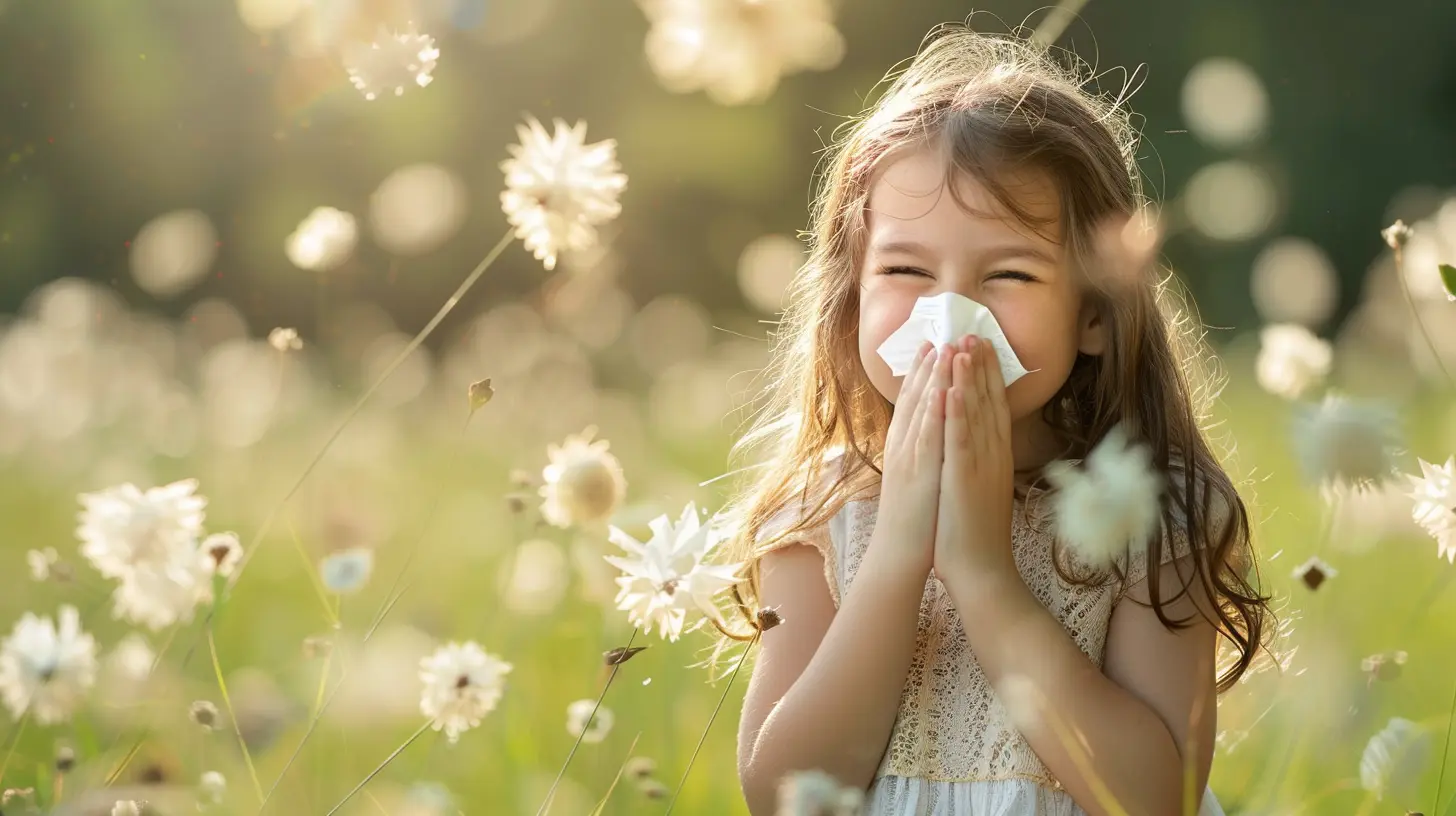
Allergies occur when the immune system overreacts to substances that are usually harmless, like pollen, pet dander, or certain foods. When exposed to an allergen, the body releases histamines, which cause symptoms like sneezing, itching, swelling, or even severe reactions.Children with allergies often inherit the condition from their parents. If you or your partner struggle with allergies, there’s a higher chance your child will, too.
Common Childhood Allergies
1. Food Allergies
Food allergies are among the most serious childhood allergies because they can cause life-threatening reactions. Some of the most common food allergens include:- Milk – Found in dairy products, milk allergies can lead to vomiting, diarrhea, and skin reactions.
- Eggs – Egg allergies can cause rashes, stomach pain, and breathing difficulties.
- Peanuts & Tree Nuts – These can trigger severe allergic reactions, including anaphylaxis.
- Soy & Wheat – Common in processed foods, these allergens can cause digestive issues and skin rashes.
- Fish & Shellfish – Less common in young children but can cause severe reactions in those affected.
How to Help Your Child Cope
- Always read ingredient labels carefully.- Inform teachers, caregivers, and friends about your child’s allergies.
- Consider an allergy action plan, including carrying an epinephrine auto-injector if necessary.
2. Seasonal Allergies (Hay Fever)
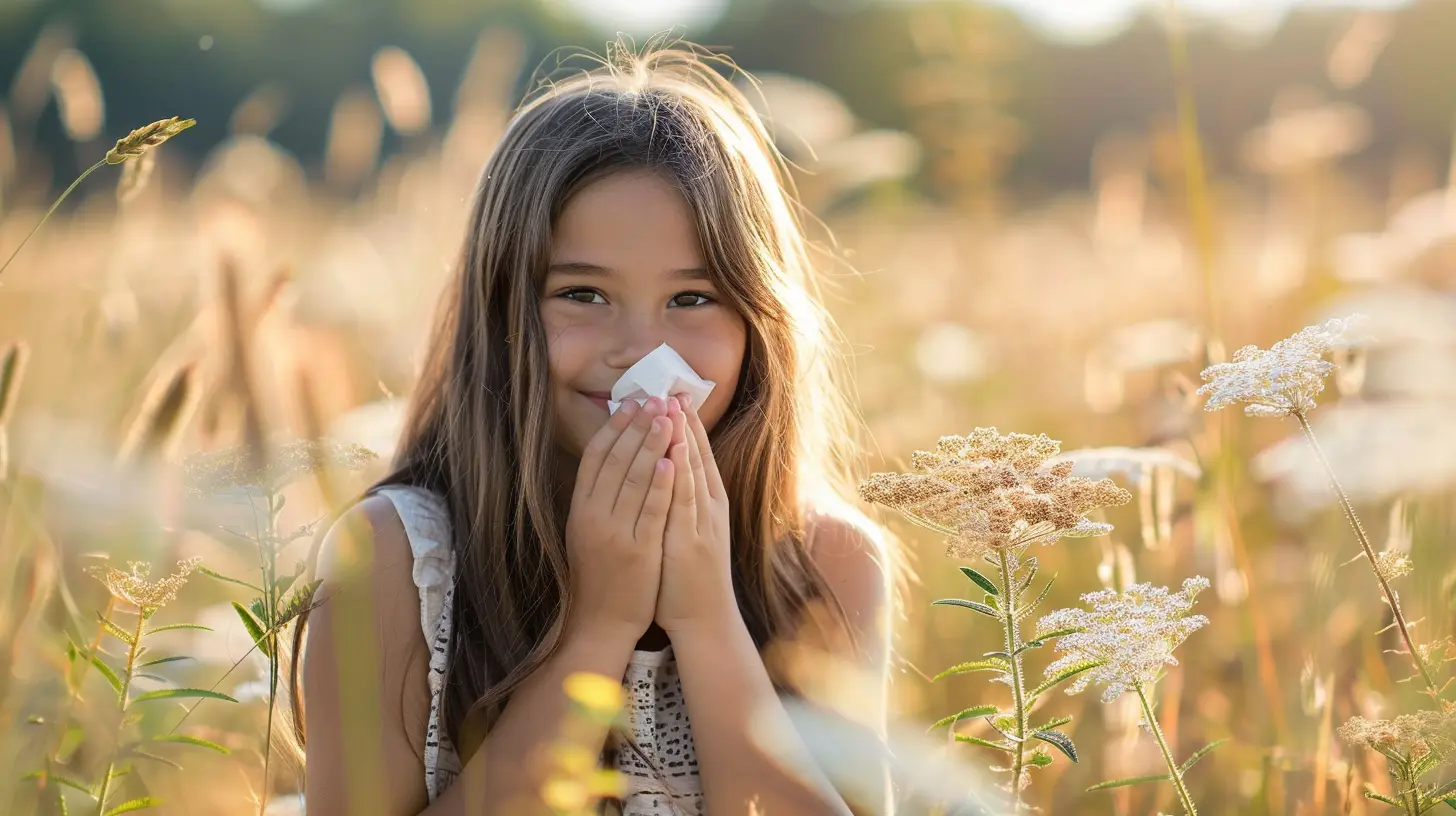
If your child has watery eyes, sneezes frequently, and suffers from congestion, seasonal allergies (also known as hay fever) might be the culprit. These allergies are triggered by pollen from trees, grass, and weeds.How to Help Your Child Cope
- Keep windows closed during peak pollen seasons.- Have your child take a shower and change clothes after playing outside.
- Use an air purifier to reduce indoor allergens.
- Consider giving them antihistamines as recommended by your doctor.
3. Pet Allergies
It’s heartbreaking when your child loves pets but ends up sneezing every time they cuddle with the family dog or cat. Pet allergies are usually caused by dander (tiny skin flakes), saliva, or fur.How to Help Your Child Cope
- Keep pets out of your child’s bedroom.- Vacuum frequently using a HEPA filter.
- Wash your pet regularly to reduce allergens.
- If allergies are severe, consider allergy shots (immunotherapy).
4. Dust Mite Allergies
Dust mites are microscopic creatures that thrive in mattresses, pillows, and carpets. They can cause sneezing, coughing, and asthma-like symptoms.How to Help Your Child Cope
- Use allergen-proof covers on pillows and mattresses.- Wash bedding weekly in hot water.
- Reduce plush toys or wash them frequently.
- Keep humidity levels low in your home.
5. Mold Allergies
Mold spores in damp areas can lead to allergy symptoms, including coughing, runny nose, and itchy eyes. Bathrooms, basements, and kitchens are typical mold hotspots.How to Help Your Child Cope
- Use a dehumidifier to keep humidity levels low.- Clean moldy surfaces with a mixture of water and vinegar.
- Ensure proper ventilation in bathrooms and kitchens.
6. Insect Sting Allergies
Bee, wasp, and fire ant stings can be more than just painful—they can cause severe allergic reactions in some children. Symptoms range from mild swelling to life-threatening anaphylaxis.How to Help Your Child Cope
- Teach your child to avoid outdoor areas where insects are common.- Dress them in light-colored clothing (dark colors attract bees).
- Carry an epinephrine auto-injector if your child has a severe allergy.
7. Medication Allergies
Some children develop allergic reactions to antibiotics (like penicillin), pain relievers, or other medications. Symptoms include skin rashes, swelling, and difficulty breathing.How to Help Your Child Cope
- Inform healthcare providers about any known allergies.- Always check medication labels.
- If a reaction occurs, seek medical attention immediately.
Helping Your Child Live Comfortably with Allergies
Allergy Testing & Diagnosis
If you suspect your child has allergies, visiting an allergist can provide clarity. Skin tests and blood tests can help identify triggers, making it easier to manage symptoms.Building a Strong Immune System
A healthy immune system can help reduce the severity of allergies. Ensure your child gets:- A balanced diet rich in fruits and vegetables.
- Plenty of physical activity.
- Sufficient sleep to keep their immune system strong.
Using Medications Wisely
Over-the-counter antihistamines, decongestants, and nasal sprays can provide relief. However, always consult your doctor before starting any medication.Teaching Your Child About Their Allergies
Empower your child by teaching them about their allergies. Help them understand what triggers their reactions and how to avoid allergens.When to Seek Emergency Help
Some allergic reactions, like anaphylaxis, require immediate medical attention. Signs of a severe reaction include:- Difficulty breathing
- Swelling of the face or throat
- Severe vomiting or diarrhea
- Dizziness or fainting
If you notice any of these symptoms, call emergency services right away.
Final Thoughts
Managing childhood allergies can feel overwhelming, but with the right precautions, your child can still enjoy a happy and healthy life. By identifying triggers, taking preventive measures, and seeking medical guidance when needed, you can help your child breathe easier—literally!Allergies may be a lifelong condition, but they don’t have to define your child’s life. With your support and the right strategies, they can learn to manage their allergies and thrive.
all images in this post were generated using AI tools
Category:
Pediatric HealthAuthor:

Arthur McKeever
Discussion
rate this article
2 comments
Xena McConkey
Great article! Understanding childhood allergies can be challenging, but your insights on coping strategies are invaluable. It's comforting to know we're not alone in this journey.
December 24, 2025 at 4:55 AM
Arthur McKeever
Thank you for your kind words! I'm glad you found the insights helpful. We're all in this together!
Misty McLanahan
Great article! Understanding common childhood allergies is essential for parents. The tips on managing symptoms and creating a supportive environment are particularly helpful in ensuring our kids thrive despite their allergies.
December 21, 2025 at 4:33 PM
Arthur McKeever
Thank you for your kind words! I'm glad you found the tips helpful for supporting kids with allergies.