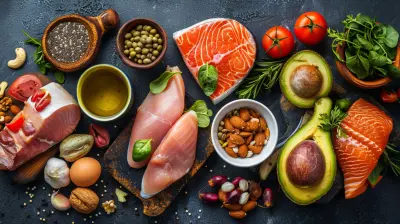
Breaking Through a Weight Loss Plateau on a Low Carb Diet
2 December 2025
You’ve been cutting carbs, sticking to your plan, and seeing the numbers on the scale drop… until suddenly, nothing. One day it just stops. Welcome to the infamous weight loss plateau.
It’s frustrating. It’s confusing. And if you’re not mentally prepared, it’s downright discouraging. But here’s the truth most people won’t tell you: hitting a plateau is part of the process. Yep, it’s not your failure—it’s your body adapting.
So now what? How do we kickstart progress again and keep the fat-burning fire alive while staying low carb?
Let’s dive into the real reasons behind weight loss plateaus and actionable strategies to break through them—for good.
What Exactly Is a Weight Loss Plateau?
So let’s set the stage here. Picture this: things were moving along smoothly, you were dropping pounds consistently week by week, and then… radio silence from your scale.That’s a plateau.
A weight loss plateau is when your body hits a period where weight loss stalls despite continuing your diet and exercise routine. You’re eating the same way, working just as hard, but your body just stops dropping pounds.
Why does this happen? Because your body isn’t a machine—it’s smart. It adapts to survive.
Why You Hit a Plateau on a Low Carb Diet
Low carb diets are fantastic for fast initial weight loss. You cut those carbs, and your body burns through its glycogen stores, releasing water weight. That’s why the first few weeks feel magical.But here are some sneaky reasons your low carb progress may start to stall:
1. Metabolic Adaptation
Your body loves balance—homeostasis. Over time, as you lose weight, your metabolism slows down. You burn fewer calories at rest simply because you weigh less.2. You’re Eating More Than You Think
Portion sizes can creep up. Nuts, cheese, keto desserts—they’re all low carb but dense in calories. A little over here, a bite over there… it adds up.3. Too Few Calories
Yes, eating too little can also backfire. When your body senses starvation, it goes into conservation mode, holding onto fat and slowing the burn.4. Hidden Carbs
Carbs love to sneak in. Sauces, dressings, "low carb" packaged snacks—they can all carry more carbs than you'd expect. Even vegetables have carbs that can tip your total higher than intended.5. Not Enough Movement
Let’s be real: diet is king, but movement is the queen who keeps things running smoothly. If you’re not moving much, you might not be pushing your metabolic rate enough to keep losing.
Signs You're in a Weight Loss Plateau
Before jumping to solutions, make sure it’s actually a plateau. Not seeing the scale drop for 3-4 days? That’s not a plateau. That's just normal weight fluctuation.But if you're stalled for 2+ weeks, despite consistency, it’s likely a plateau.
Other signs:
- Your measurements haven’t changed
- Clothes fit the same
- You feel tired, cranky, or frustrated
- Progress in the gym stalls too
Got those? Let’s break through it.
10 Powerful Strategies to Break Through a Low Carb Weight Loss Plateau
1. Track Everything You Eat—Seriously
Even the low carb pros get caught off-guard sometimes. Start tracking again using apps like MyFitnessPal or Carb Manager. Measure everything for a few days. You’ll likely find some surprise calories or carbs sneaking in.👉 Think of it like an audit. You don’t need to do it forever, but a few honest days can reset your accuracy.
2. Cut Out Processed Low Carb Foods
Let’s talk convenience. Low carb wraps, protein bars, keto cookies—they make life easier, but they’re also packed with ingredients that can mess with your progress (think hidden carbs, sugar alcohols, and inflammation-causing fillers).Try going completely whole-food-based for a week and see what happens. Meat, leafy greens, eggs, healthy fats, non-starchy veggies—back to basics.
3. Tweak Your Macros
Low carb doesn’t always mean keto. Maybe you’re too low on carbs and your energy is suffering, or maybe fat intake is too high and you’re over-consuming calories.Try adjusting:
- Protein: Increase it slightly to maintain muscle
- Fat: Lower it if you’re running too high on calories
- Carbs: Assess your total net carbs—aim for <20g for strict keto, or closer to 50g for low carb
4. Try Intermittent Fasting
Your body burns fat between meals—not during them. Intermittent Fasting (IF) extends the time your body spends in fat-burning mode.A simple 16:8 method (fast for 16 hours, eat in an 8-hour window) can do wonders—not just for weight loss, but also for insulin sensitivity.
And bonus: it simplifies mealtimes and reduces snacking.
5. Incorporate Carb Cycling
Yup, you heard that right. Sometimes, eating more carbs helps!Carb cycling involves having 1-2 higher carb days a week to "shock" your metabolism. The sudden increase in carbohydrates can:
- Replenish glycogen
- Stimulate leptin (the hunger/fullness hormone)
- Prevent your body from getting too comfortable
Just keep it clean—opt for sweet potatoes, quinoa, or fruit—not donuts.
6. Get Moving Again—or Switch It Up
If your workout routine is stale, your body has adapted. Try:- Adding resistance training (build more muscle = burn more calories)
- High Intensity Interval Training (HIIT)
- Simply walking more! Aim for 10k steps a day.
Movement boosts metabolism and improves insulin sensitivity—both crucial for busting plateaus.
7. Check In On Sleep and Stress
These two sneaky saboteurs are often overlooked.High cortisol levels (your stress hormone) can trigger fat storage, especially around your midsection. And lack of sleep? It’s a hormone nightmare—makes you hungry, slows recovery, and lowers willpower.
Prioritize 7-9 hours of quality sleep and do what you can to chill—take walks, breathe deeply, journal, meditate, whatever helps you unwind.
8. Stay Hydrated Like It’s Your Job
Water is often underestimated.Dehydration slows metabolism. It also messes with your hunger cues—sometimes we eat when we’re just thirsty. Aim for at least half your body weight in ounces.
And add electrolytes! On low carb, you're flushing out sodium, potassium, and magnesium. Replenish them for better energy and fewer cravings.
9. Re-Evaluate Your Goals
Here’s a curveball: maybe your body is happy where it is. Maybe you’ve lost fat but gained muscle. The scale doesn’t tell the whole story.Ask yourself:
- Are my clothes fitting better?
- Do I feel stronger?
- Is my energy good?
Maybe you don’t need a scale drop. Maybe you’re in maintenance now—and that’s a huge win.
10. Don’t Panic—Stay Consistent and Patient
Last but not least, remember: your body is on your team. It’s not sabotaging you, it’s adapting. And adaptation is a GOOD sign.Plateaus happen to everyone. They are not the end, just a pause in the journey. Sometimes doing less is doing more—give your body time to recalibrate.
Consistency always wins over time.
When Should You Consider Medical Help?
If your plateau has lasted over a month, and you’ve tried adjusting your food, exercise, and habits with zero results—talk to a doc. Conditions like:- Hypothyroidism
- Hormonal imbalances
- PCOS
- Insulin resistance
Can all make weight loss harder. A few simple blood tests might uncover something that needs attention.
Final Thoughts: Ride the Plateau Like a Pro
Look, hitting a plateau doesn’t mean it’s over—it means you’ve made real progress. You’ve lost enough weight for your body to take notice and adjust. That’s worth celebrating!But that doesn’t mean you’re stuck. With a few tweaks, some honest tracking, and a patient mindset, you can push through and keep making gains—or losses, in this case.
The key? Don’t panic. Don’t give up. And don’t forget that this journey is about more than just the scale—it’s about building a healthy, sustainable life that works long-term for you.
You’ve got this.
all images in this post were generated using AI tools
Category:
Low Carb DietAuthor:

Arthur McKeever
Discussion
rate this article
2 comments
Vienna Clark
Feeling stuck on your weight loss journey? Don’t fret! Plateaus are just bumps in the road. Keep up your low carb efforts, mix in a few new activities, and stay positive. You've got this—you’re stronger than any scale! 🌟💪
December 11, 2025 at 3:32 AM
Arthur McKeever
Thank you for your encouragement! Embracing plateaus as part of the journey can truly make a difference. Let's keep pushing forward! 🌟💪
Parisa McConnell
Thank you for this insightful article! Breaking through a weight loss plateau can be challenging, and your tips on adjusting dietary strategies and staying motivated are very helpful. I look forward to trying these suggestions!
December 5, 2025 at 3:58 PM
Arthur McKeever
Thank you for your kind words! I'm glad you found the tips helpful. Best of luck on your journey!