Breaking the Sugar Addiction: Practical Tips That Work
6 May 2026
Sugar is everywhere—hiding in breakfast cereals, sneaking into salad dressings, and dominating our favorite snacks. It’s no wonder that cutting back can feel almost impossible. But here’s the good news: You can break free from sugar addiction, and I’m here to help you do it.
If you've ever found yourself repeatedly reaching for that cookie even when you're not hungry, you're not alone. Sugar has a sneaky way of hooking us in, making us crave more and more. But with the right strategies in place, you can regain control over your cravings and develop a healthier relationship with food.
Let’s dive into some practical, real-world tips that work! 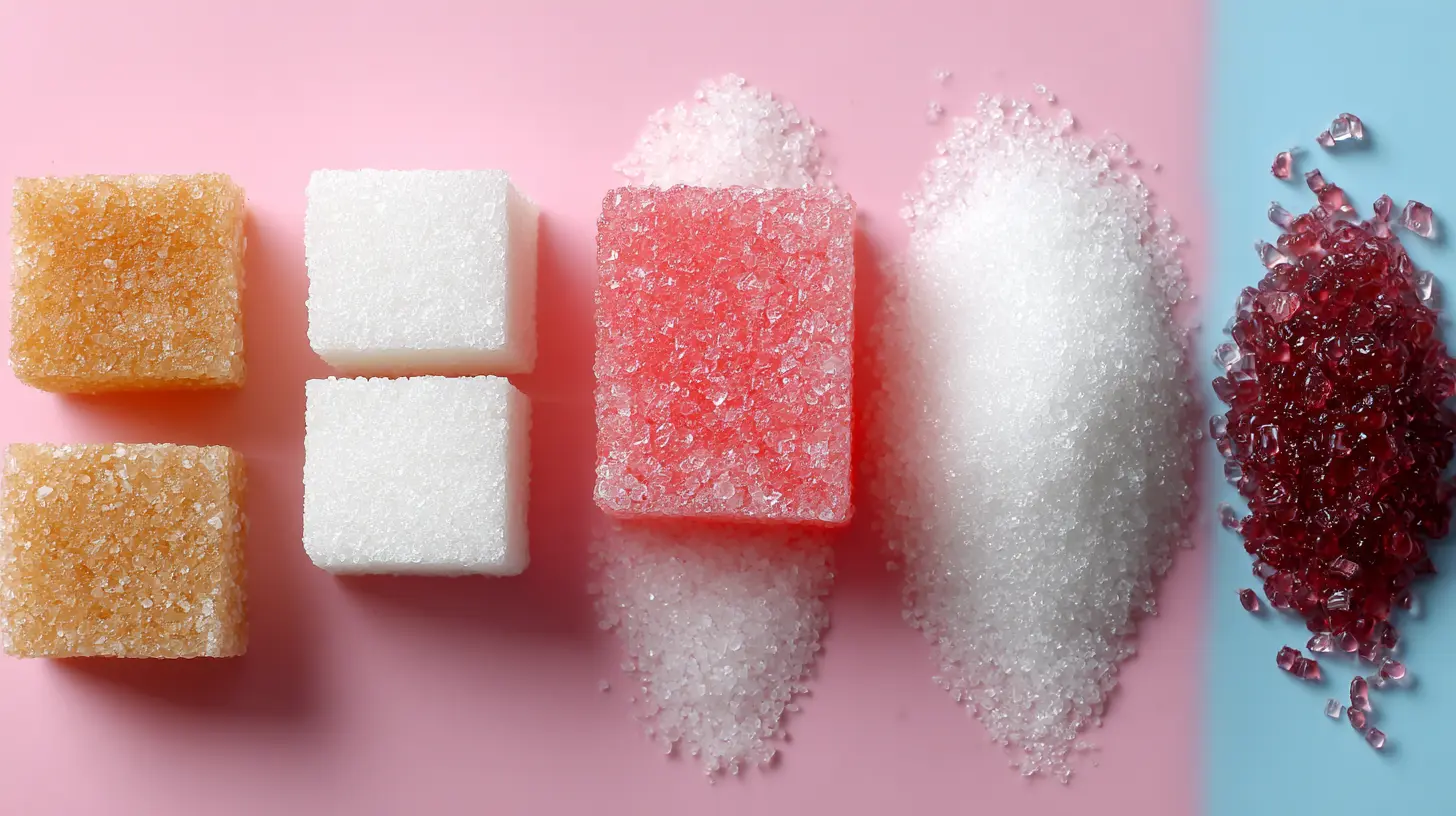
Why Is Sugar So Addictive?
Before we tackle how to cut back, it helps to understand why sugar has such a hold on us.Sugar triggers a release of dopamine—our brain’s "feel-good" chemical—similar to the effects of drugs like cocaine. This rush keeps us coming back for more, creating a cycle of cravings and crashes. Plus, sugar hides in unexpected places, making it even harder to steer clear.
But don’t worry—you can break free. It just takes the right mindset and a solid plan. 
The Dangers of Too Much Sugar
Sure, sugar tastes amazing, but too much of it can wreak havoc on your body. Here are just a few ways excess sugar can negatively impact your health:✅ Weight Gain: Sugary foods are packed with empty calories that lead to weight gain over time.
✅ Increased Risk of Diabetes: Excess sugar can cause insulin resistance, paving the way for type 2 diabetes.
✅ Heart Health Risks: High sugar intake is linked to heart disease and high blood pressure.
✅ Energy Crashes: The infamous ”sugar crash” leaves you feeling fatigued and sluggish.
✅ Skin Problems: Too much sugar can lead to breakouts and premature aging.
With all these risks, cutting back on sugar is one of the best things you can do for your body. 
Practical Tips to Break Free from Sugar Addiction
1. Start by Identifying Hidden Sugars
Sugar isn't just in candy and desserts—it lurks in “healthy” foods too. Check labels on:- Yogurt
- Granola bars
- Salad dressings
- Pasta sauces
- Instant oatmeal
Aim to reduce anything with sneaky names like high-fructose corn syrup, maltose, dextrose, or any ingredient that ends in "-ose."
2. Cut Back Gradually
Quitting sugar cold turkey can lead to intense withdrawal symptoms like headaches, mood swings, and fatigue. Instead, gradually reduce your intake. If you add two teaspoons of sugar to your coffee, drop it to one, then half, then none. Your taste buds will adjust!3. Focus on Whole, Nutrient-Dense Foods
When you nourish your body with real, whole foods, your sugar cravings naturally decrease. Prioritize:- Protein-rich foods like eggs, fish, and chicken
- Healthy fats from avocados, nuts, and olive oil
- Fiber-filled veggies and whole grains
A steady intake of protein and fiber helps stabilize blood sugar, reducing sudden cravings.
4. Stay Hydrated – Sugar Cravings vs. Dehydration
Did you know that dehydration can mimic hunger and sugar cravings? Next time you're craving something sweet, drink a big glass of water and wait 15 minutes. You might just realize your body was thirsty, not hungry.5. Get Enough Sleep
Lack of sleep increases cravings for high-sugar and high-carb foods since your body is looking for quick energy. Aim for 7–9 hours of quality sleep to keep your hormones balanced and cravings in check.6. Retrain Your Taste Buds with Natural Sweetness
Instead of artificial sweeteners (which can still fuel sweet cravings), try these natural alternatives:✅ Fresh fruit (berries, apples, bananas)
✅ Cinnamon (great in coffee or oatmeal)
✅ Unsweetened coconut flakes
✅ Dark chocolate (70% cocoa or higher for minimal sugar)
7. Plan Ahead and Keep Healthy Snacks on Hand
If you wait until you're starving, it's easy to reach for the nearest sugary option. Keep healthy snacks ready to avoid temptation.- Nuts and seeds
- Greek yogurt
- Carrot sticks with hummus
- Hard-boiled eggs
8. Manage Stress Levels to Curb Emotional Eating
Many of us reach for sweets when we're stressed, anxious, or emotional. Instead of turning to sugar, try:- Deep breathing exercises
- Meditation or yoga
- Taking a quick walk
- Journaling or listening to calming music
Finding non-food ways to cope with emotions can break the sugar-reward cycle.
9. Build a Strong Support System
Breaking free from sugar addiction is easier when you have support. Let your friends and family know about your goals, or even better—find an accountability partner.Online communities, health coaches, or even tracking apps can also keep you motivated and on track.
10. Be Kind to Yourself – It’s a Journey, Not Perfection
Let’s be real—there will be days when you indulge in something sweet, and that’s okay. The key is to get back on track without guilt. Progress, not perfection, is the goal.Every small step away from excessive sugar intake is a step toward better health. 
How Long Until Sugar Cravings Go Away?
The timeline for sugar withdrawal varies from person to person. Some people feel better within a few days, while others take a few weeks to fully adjust.Here’s what you can expect:
- Days 1–3: Cravings and withdrawal symptoms like headaches and fatigue may peak.
- Days 4–7: Cravings lessen, and your energy starts to stabilize.
- Week 2 and Beyond: You begin to enjoy the natural sweetness of foods and crave sugar less.
Stick with it—the long-term benefits are worth it!
Final Thoughts: You CAN Beat Sugar Addiction!
Kicking sugar to the curb doesn’t mean never enjoying a sweet treat again—it just means taking control of your cravings instead of letting them control you.By cutting back gradually, fueling your body with whole foods, and finding healthier ways to handle stress, you’ll set yourself up for success. And remember—you’re not alone in this journey. Every step forward is a win!
Are you ready to break free from sugar’s grip? Start with one small change today, and watch your cravings lose their power!
all images in this post were generated using AI tools
Category:
Sugar FreeAuthor:

Arthur McKeever
Discussion
rate this article
2 comments
Rose Weber
Great tips! I'm excited to start my journey to less sugar.
May 27, 2026 at 5:00 AM
Arthur McKeever
I'm glad you found them helpful! Enjoy your journey to healthier choices.
Miles Ross
Great tips! Small changes can lead to big improvements.
May 18, 2026 at 3:40 AM
Arthur McKeever
Thanks! It's true, even small adjustments can make a big difference in overcoming sugar cravings.